Independent UK e-bike guides — updated September 2026
Retro Electric Bikes UK
The complete UK resource for road-legal vintage-style electric bikes. Whether you are comparing 250W retro e-bikes for city commuting, checking EAPC rules with our interactive checker, or calculating exact charging costs, our independent guides cover every question UK riders ask before choosing a retro electric bike.
Interactive utilities
UK E-Bike Tools & Free Calculators
Instantly check whether an electric bike is road-legal under UK EAPC law or calculate exact electricity charging costs and commuting savings.
UK Electric Bike Legality Checker
Answer 5 quick questions about motor wattage, assist speed cutoff, throttles, and pedals to get an instant road-legal verdict under UK law.
Launch Legality Checker →E-Bike Charging & Cost Calculator
Calculate exact cost per full charge in pence, cost per mile, and compare your annual commute savings against petrol cars and UK rail fares.
Calculate Charging Cost →Quick reference
Retro Electric Bike Key Facts for UK Riders
Before comparing models or reading detailed guides, understand the six numbers and rules that shape every retro e-bike buying decision in the UK.
UK EAPC rules cap continuous rated motor output at 250 watts for road-legal e-bike status — no licence, registration or insurance required.
Motor assistance must cut off at 15.5mph (25km/h). You can pedal faster, but the motor stops helping at the legal limit.
Most retro e-bikes offer 30 to 70 miles per charge depending on battery size, terrain, rider weight and assistance level.
Charging a typical 500Wh battery costs roughly 15 pence at average UK electricity rates — far cheaper than petrol or public transport.
Retro and moped-style e-bikes typically weigh 20 to 35 kilograms. Heavier frames need stronger brakes and careful storage planning.
A well-maintained lithium e-bike battery can last 3 to 5 years or 500+ charge cycles before noticeable capacity loss.
Choose your path
UK Retro E-Bike Guides by Topic
Start with legality if you are unsure about UK EAPC rules, or jump straight into buying, battery safety, technical specs and comparison guides. Each hub links to detailed articles covering the most common questions from UK riders.
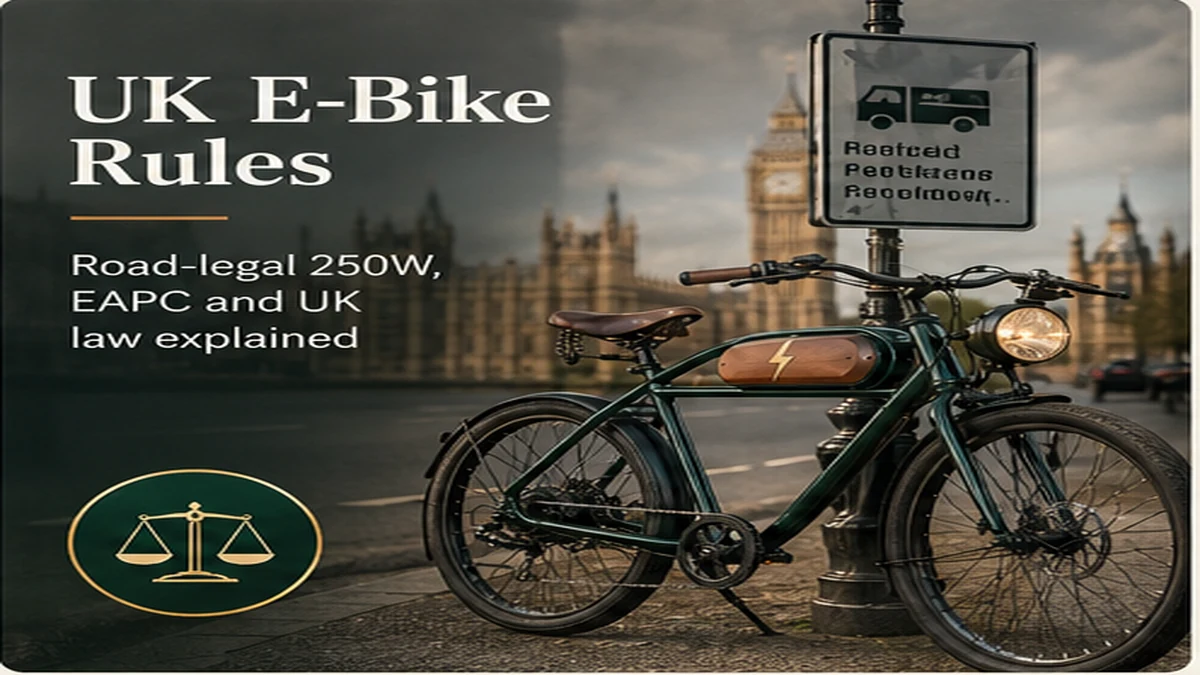 UK Rules
Start with 250W EAPC law, 15.5mph assistance, throttles, licences and insurance.
Read guide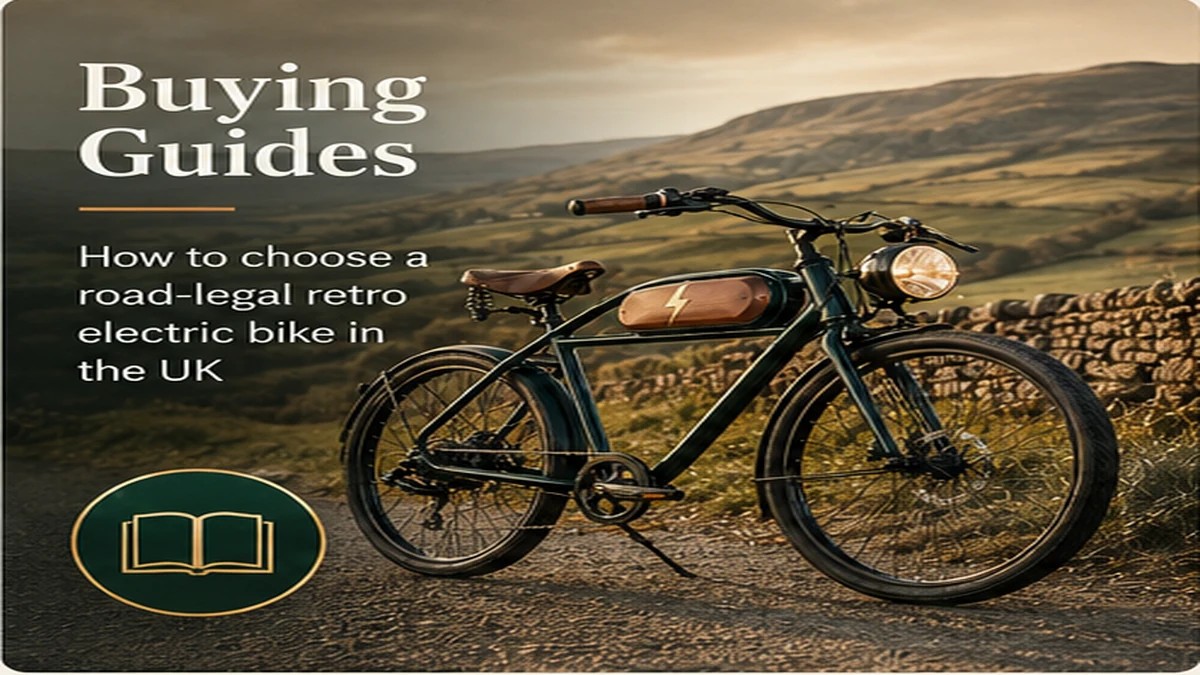 Buying Guide
Compare fit, range, battery support, brakes, tyres, budget and everyday ownership details.
Read guide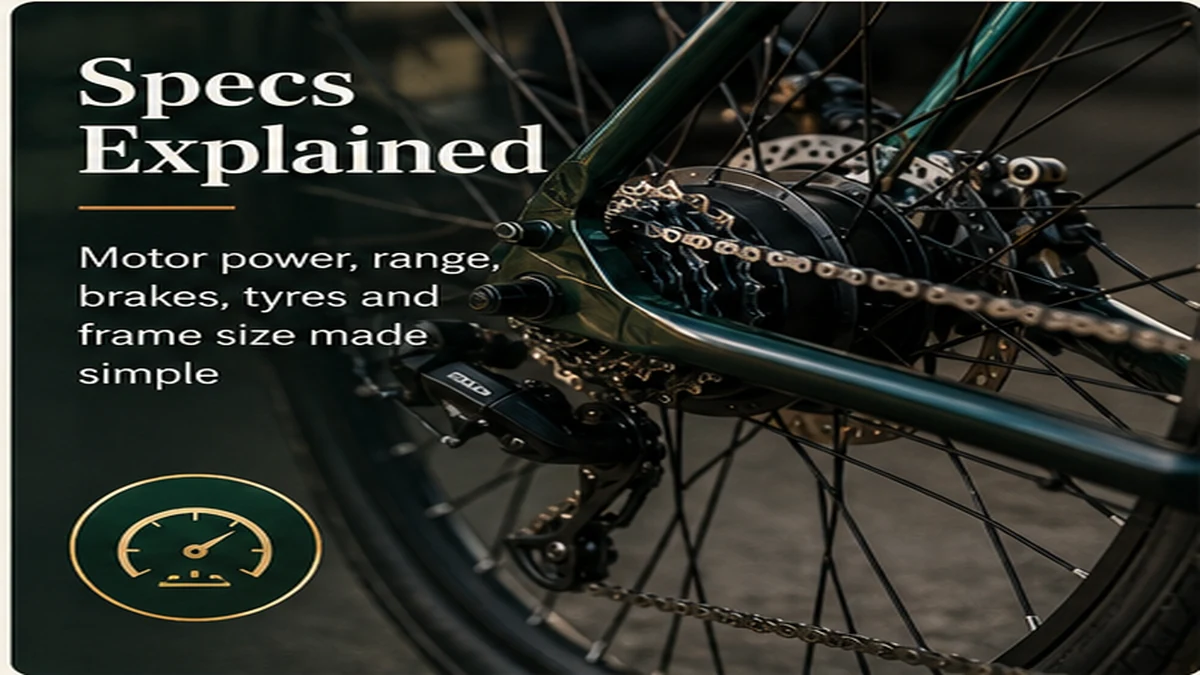 Specs Explained
Understand motors, batteries, range, brakes, tyres, weight and charging costs.
Read guide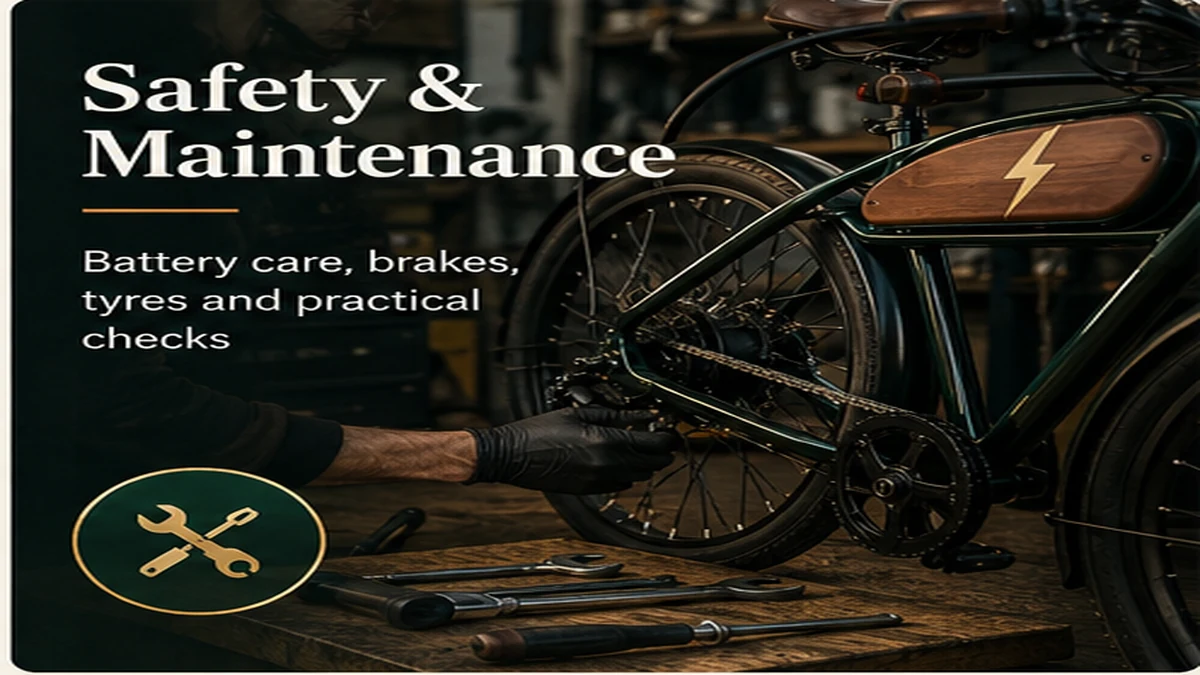 Safety
Use practical safety checks for charging, storage, brakes, tyres and routine maintenance.
Read guide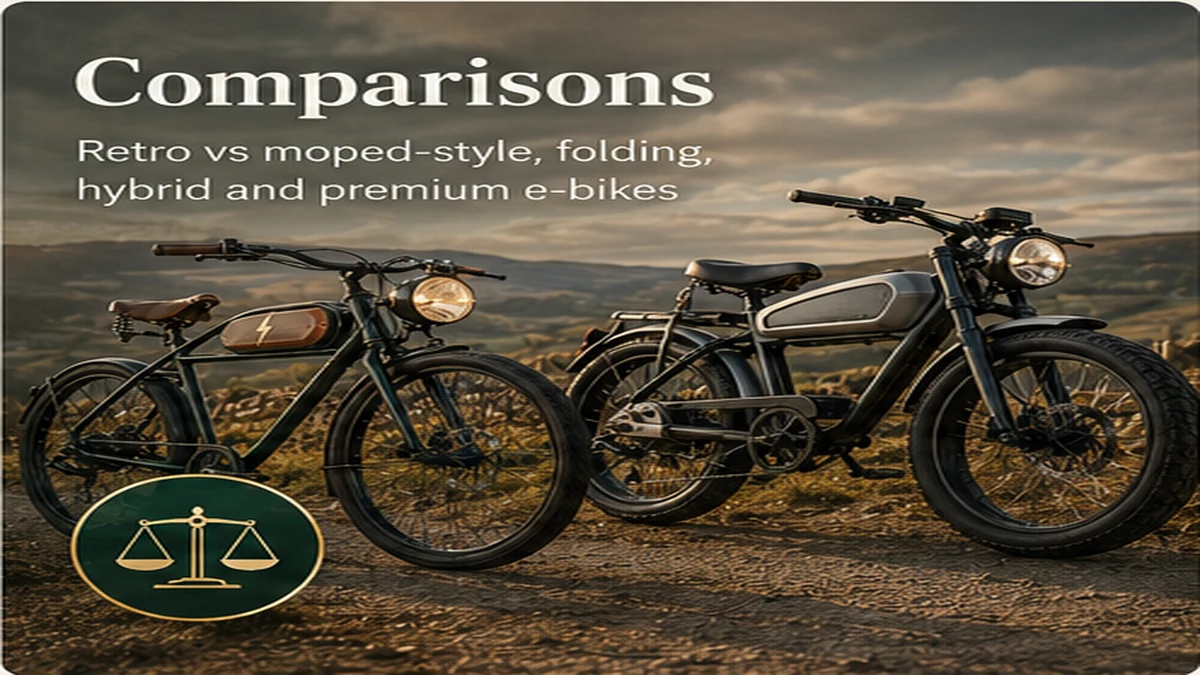 Comparisons
Compare retro e-bikes with mopeds, hybrids, folding bikes and high-power alternatives.
Read guide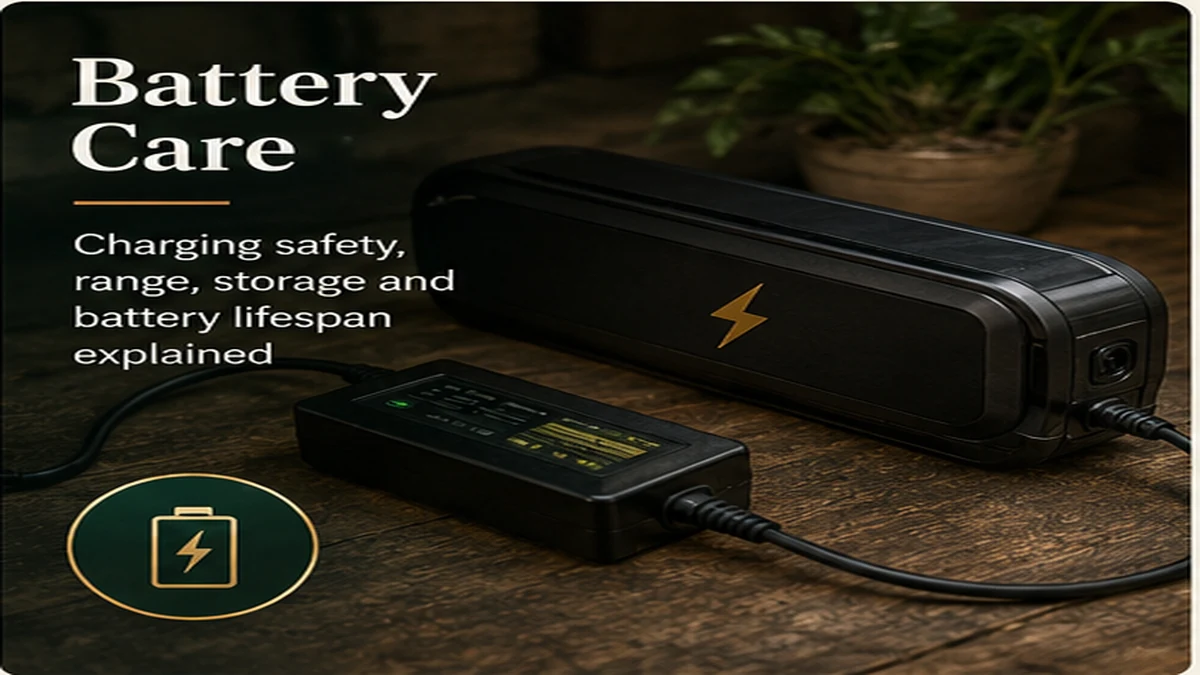 Battery Care
Charge safely, store batteries sensibly and spot warning signs before small issues become serious.
Read guideUnderstanding the category
What Is a Retro Electric Bike?
A retro electric bike combines vintage-inspired styling — think moped silhouettes, cafe racer frames, classic cruiser handlebars and tan leather saddles — with a modern electric pedal-assist motor. In the UK, a road-legal retro e-bike must meet Electrically Assisted Pedal Cycle (EAPC) rules: working pedals, a motor rated no higher than 250W continuous power and electric assistance that cuts off at 15.5mph.
The growing popularity of retro e-bikes in the UK is driven by riders who want stylish, practical transport without the regulatory burden of a moped or motorcycle. Unlike conventional mopeds, a compliant EAPC requires no driving licence, insurance, registration, vehicle tax or helmet — making retro electric bikes an accessible and affordable alternative to both cars and public transport for daily commuting, local errands and leisure riding.
However, not all bikes that look retro are road legal. Many moped-style and high-power models exceed EAPC limits and may only be suitable for private land. Our guides help you tell the difference before buying.
Style guide
Popular Retro E-Bike Styles in the UK
Retro electric bikes come in distinct styles. Each has different riding positions, weight, comfort and maintenance characteristics. Choose based on your commute, storage and road conditions — not just the silhouette.
Chunky frames, bench seats and round headlights that borrow cues from classic scooters — legal as EAPCs when 250W compliant.
Read guide →Cafe Racer Electric BikesLow-slung, sporty silhouettes inspired by 1960s cafe racers. Check riding position comfort for daily UK commuting.
Read guide →Vintage-Style E-BikesClassic roadster and cruiser looks with swept bars, tan saddles and muted colours — timeless British cycling aesthetic.
Read guide →Fat Tyre Retro E-BikesWide tyres add grip and comfort on rough UK roads but increase weight and rolling resistance. Best for mixed terrain.
Read guide →Popular questions
Questions UK Riders Ask Before Buying a Retro E-Bike
Quick routes into the legal, safety, cost and comparison questions that usually decide whether a retro electric bike is a good fit. Each answer is researched using official UK sources where available.
Head-to-head comparisons
Retro E-Bike Comparisons for UK Buyers
Unbiased comparisons between motor types, power levels and vehicle classes. Each comparison explains the legal, practical and cost differences for UK riders.
Legal 250W EAPC vs high-power 750W — what changes for UK public roads.
Compare now →E-Bike vs Electric MopedNo-licence cycling simplicity vs registered motor vehicle speed and power.
Compare now →Hub Motor vs Mid-DriveAffordable simplicity vs natural hill-climbing feel — which motor type suits your route.
Compare now →EAPC vs Moped UKPedal cycle status vs motor vehicle obligations: licences, insurance, helmets and registration.
Compare now →Buying focus
Retro E-Bike Buying Guides UK
Practical guides for choosing a road-legal vintage-style e-bike without getting distracted by looks alone. We cover EAPC compliance, frame fit, battery range, brakes, price brackets and long-term ownership costs.
Open the full buying guideWhy choose retro?
Why UK Riders Choose Retro Electric Bikes Over Standard E-Bikes
Retro electric bikes blend the charm of classic British cycling with the convenience of modern electric assistance. For many UK riders, choosing a vintage-style e-bike over a standard hybrid comes down to three advantages:
Moped-style and cafe racer e-bikes look like something from a vintage motorcycle showroom, yet they ride as pedal cycles with no licence, insurance or registration needed. Many UK commuters switch from short car journeys to retro e-bikes because the experience feels more like riding a motorbike than pedalling a bicycle.
Retro frames typically use upright riding positions, wide saddles and swept-back handlebars. This makes them especially popular with older riders returning to cycling, riders with back pain and anyone who prefers a relaxed, confident riding position over an aggressive forward lean.
At roughly 5p to 15p per battery charge, a retro e-bike costs a fraction of a car commute. Budget models start below £1,000 while mid-range options with hydraulic brakes and larger batteries sit around £1,000 to £1,500. Running costs are limited to occasional brake pads, tyres, chain care and electricity.
Latest guides
Recently Updated UK E-Bike Advice
The newest and most recently updated guides covering UK retro e-bike legality, buying decisions, safety checks and technical specifications.
Commuting with a retro e-bike
Can You Commute on a Retro Electric Bike in the UK?
Yes — and thousands of UK riders already do. A road-legal 250W retro e-bike with a decent battery can handle commutes of 5 to 15 miles each way, even on hilly routes.
- Mudguards for wet UK weather
- Integrated lights for winter rides
- Removable battery for office charging
- Disc brakes for heavier retro frames
- Puncture-resistant tyres for city roads
- Cycle to Work scheme eligible
Editorial promise
Independent UK Editorial Guides
Retro Electric Bikes UK explains EAPC rules, vintage-style e-bike buying questions, battery care, maintenance and safety in plain UK English. We do not sell bikes or accept payment for listings — every guide is written to help UK riders make better decisions based on verified specifications and official sources.
- UK-focused research
- Official sources where possible
- Clear corrections process
- Visible legal and safety disclaimers
- No paid product rankings
- Updated when rules or specs change
Disclaimer: We provide informational guidance only. Always confirm current legal requirements and manufacturer specifications before buying or riding. Retro Electric Bikes UK does not sell electric bikes, provide personal legal advice or certify product safety. UK e-bike laws and product specifications can change — check official GOV.UK guidance for the latest position.