
Technical Buying Advice
Electric Bike Battery Range Explained
Understand electric bike battery range, watt-hours, terrain, rider weight, assistance levels and realistic UK commuting margins.
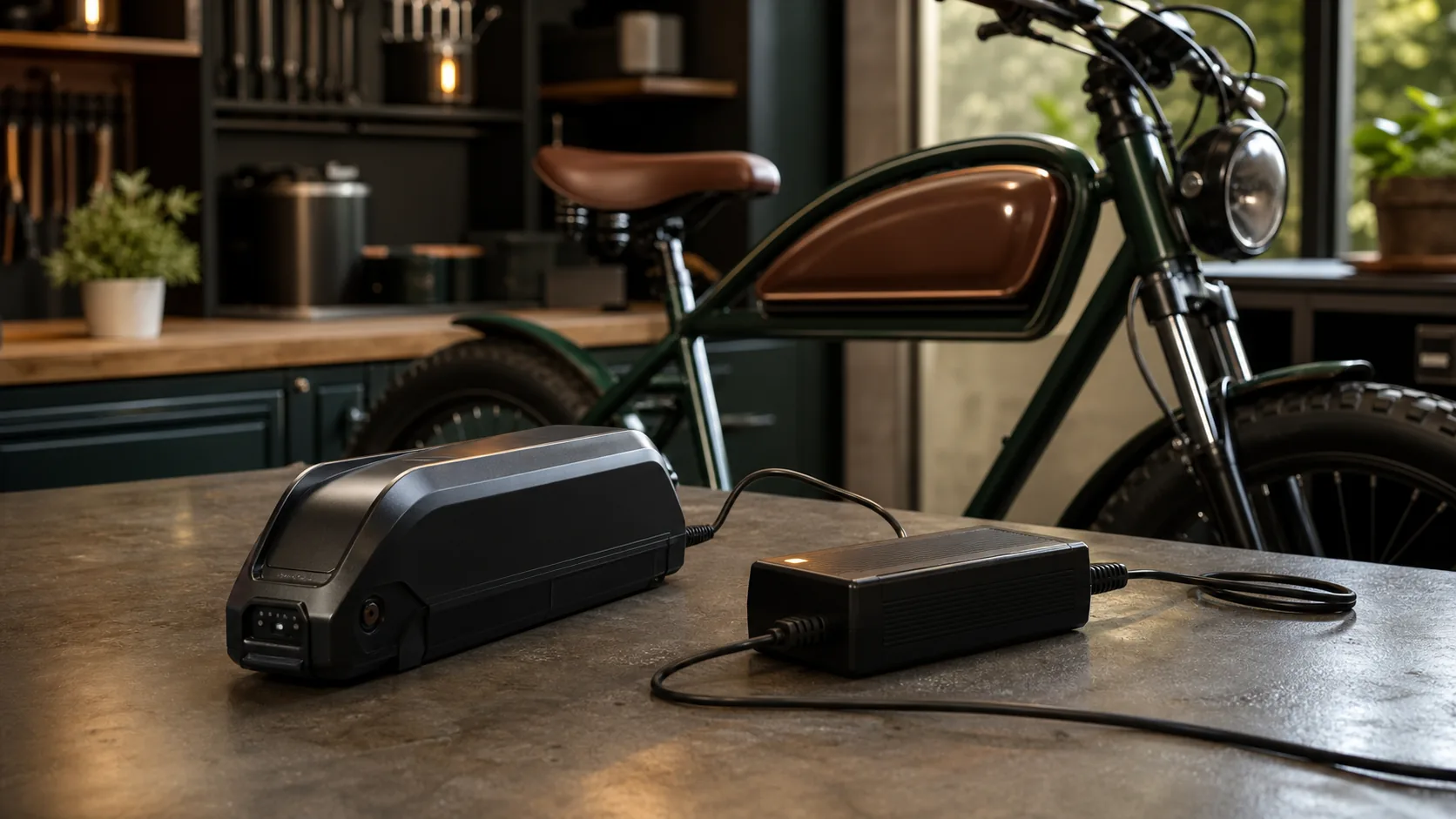
Quick facts
- Watt-hours are the most useful battery figure.
- Cold weather, hills and stop-start traffic cut range quickly.
- A short flat commute can work with a smaller battery.
- Range margin matters more than a headline number.
- Tyre pressure and brake rub can quietly waste energy.
Why watt-hours matter
Watt-hours combine voltage and amp-hours into the number that matters most when you are comparing batteries. It is the closest thing to a fuel-tank size on an e-bike.
A 36V 10Ah battery is about 360Wh, while a 48V 10Ah battery is about 480Wh. That does not guarantee range, but it is a better comparison than voltage alone.
Two bikes can both say 48V and still behave very differently if one has a larger battery, better controller tuning or a lighter frame.
What brochure range hides
Quoted range is usually based on the friendliest possible conditions: lower assistance, a lighter rider, warmer weather and a smoother route than most people actually ride.
If a product page gives you only one number and no explanation, assume it is the best-case scenario rather than the normal one.
What range feels like in real use
A short flat commute can leave the battery feeling almost untouched, while a hilly commute with lights, stops and headwinds can use far more than the brochure suggests.
If you routinely arrive home with only a tiny margin left, the bike is too tight for the route even if the headline figure looks impressive.
What changes range the fastest?
Hills, stop-start traffic, strong headwinds, soft tyres, high assistance modes and heavier bikes all eat range faster than most first-time buyers expect.
Retro bikes with fat tyres or heavier frames can use more energy than lighter hybrids, especially if the route includes traffic lights and short bursts of acceleration.
How to choose a battery size without overbuying
A smaller battery can make sense if the route is short, flat and charging is easy. A larger battery is more forgiving if the bike is heavy, the route is hilly or winter riding is common.
If you charge in a flat, upstairs office or shared space, the ability to remove the battery matters as much as the number on the label.
How to estimate your own range
Plan for your real round trip plus a margin for cold weather and battery ageing. If the quote barely covers the route, it is already too tight.
If workplace charging is uncertain, do not build your plan around it. A bike that can finish the day without depending on a perfect office socket is usually less stressful.
If the range feels worse than expected
Check tyre pressure, brake rub, battery age, assistance level and charger behaviour before assuming the motor is the problem.
A sudden drop in range is often a setup issue or a tired battery rather than a broken bike.
| Route or habit | What usually matters | Buying note |
|---|---|---|
| Short flat commute | Efficiency and easy charging | A smaller battery can be enough if it still leaves margin. |
| Hilly daily ride | Spare energy and sensible gearing | Look at Wh, bike weight and controller tuning, not only voltage. |
| Mixed errands and stop-start traffic | Acceleration and repeated help from the motor | Buy more buffer than the brochure suggests. |
| Winter commuting | Cold weather and range loss | Choose extra headroom rather than a perfect summer fit. |
Useful next steps
Start with the UK electric bike rules hub and the Electric Bike Specs Explained: Motor, Battery, Range, Brakes and Tyres.
FAQs
Should I trust the quoted range?
Use it as a best-case guide, not as the number you should plan your commute around.
What matters more than voltage?
Watt-hours, because they tell you how much energy the battery can store.
Can a small battery be enough?
Yes, if your route is short, fairly flat and you are happy riding with little margin.
Why does range drop in winter?
Cold weather, thicker air and more cautious riding all make the battery work harder.
What is the easiest way to avoid range anxiety?
Buy more margin than the brochure suggests and keep the tyres, chain and battery in good shape.
Related guides
 Electric Bike Specs ExplainedUnderstand e-bike motors, batteries, range, brakes, tyres, frame size, weight and charging costs before choosing a retro electric bike.How Long Do E-Bike Batteries Last?How long electric bike batteries last, why capacity fades, and what UK riders can do to improve battery life and safety.E-Bike Charging Cost UK: Formula, Battery Sizes and ExamplesCalculate an e-bike charge from battery Wh and your tariff. Compare 360Wh to 960Wh batteries, charging losses, partial top-ups and monthly commuting costs.36V vs 48V Electric Bike BatteryCompare 36V and 48V e-bike batteries in the UK, including feel, hills, range, weight, replacement support and what to ask before buying.