
Topical hub
Electric Bike Specs Explained: Motor, Battery, Range, Brakes and Tyres
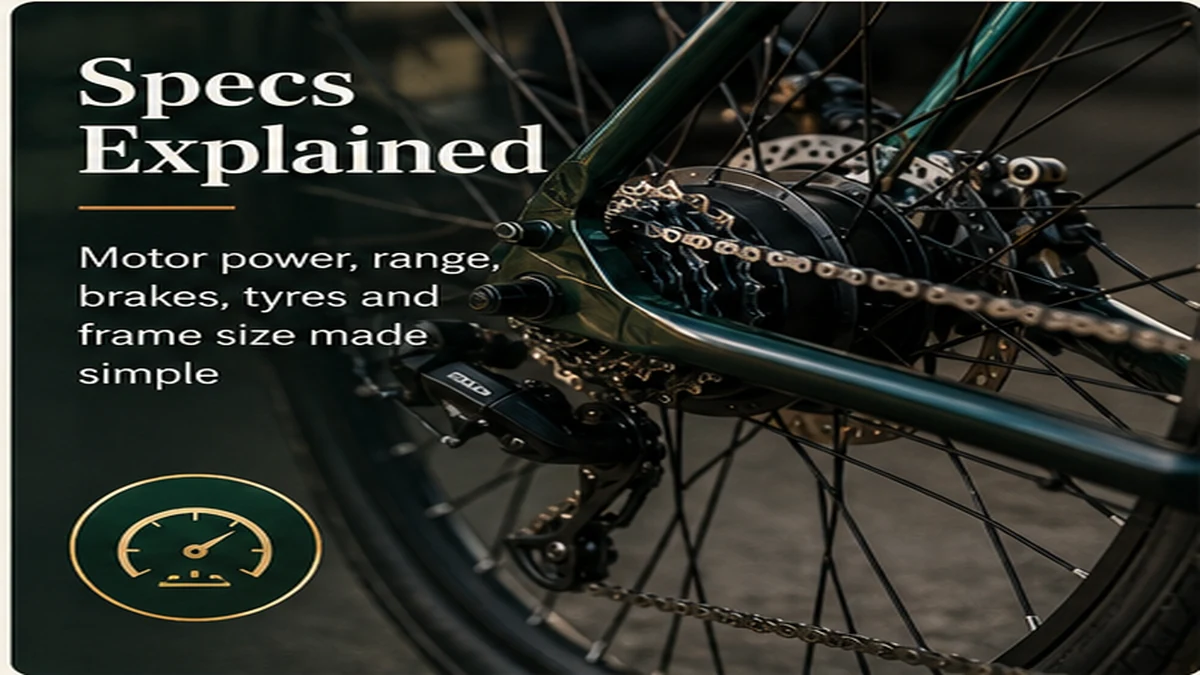
Understand e-bike motors, batteries, range, brakes, tyres, frame size, weight and charging costs before choosing a retro electric bike.
Quick facts
- Motor rating affects legality and assistance feel.
- Battery watt-hours are more useful than volts alone.
- Weight changes how easy the bike is to lift, store and stop.
- Brake and tyre spec matter more once the bike gets heavy.
- Replacement battery support should be checked before buying.
Guides in this hub
What motor specifications matter?
For UK road use, the legal headline is 250W continuous rated power for an EAPC. Beyond that, motor position, sensor type and controller tuning decide whether the bike feels smooth, punchy or awkward at low speed.
A listing that only promotes peak watts is not telling you the whole story. Ask for the continuous rating, the sensor type and how the assistance behaves when you start from a standstill or climb away from traffic lights.
- Hub motors sit in the front or rear wheel and usually keep packaging simple.
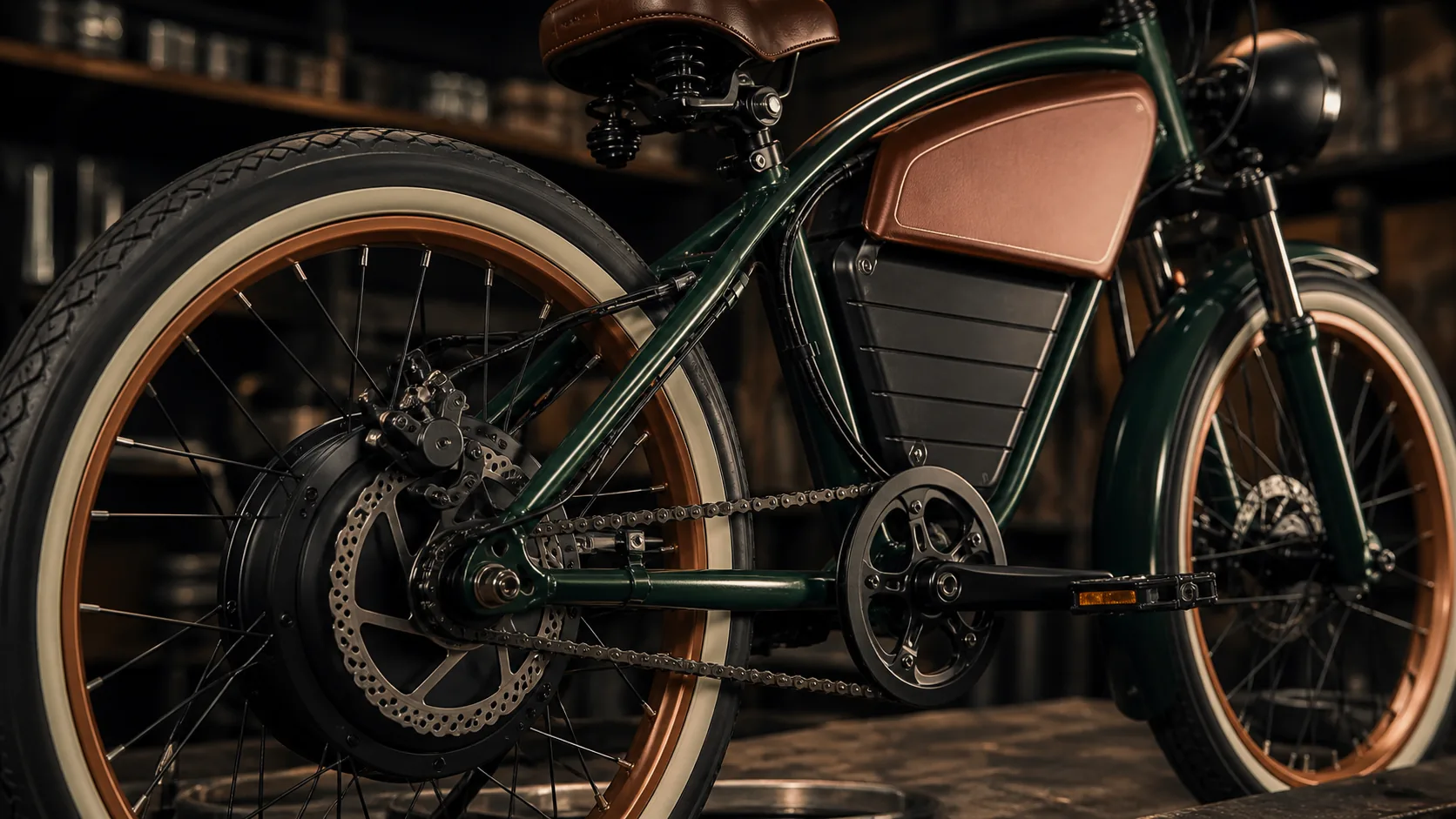
- Mid-drive motors sit near the cranks and usually feel more natural on hills.
- Torque sensors respond to pedal pressure and feel more like a real push; cadence sensors are simpler but less nuanced.
- 250W continuous rated power is the UK EAPC limit; peak watts are a separate marketing figure.
How should you read battery figures?
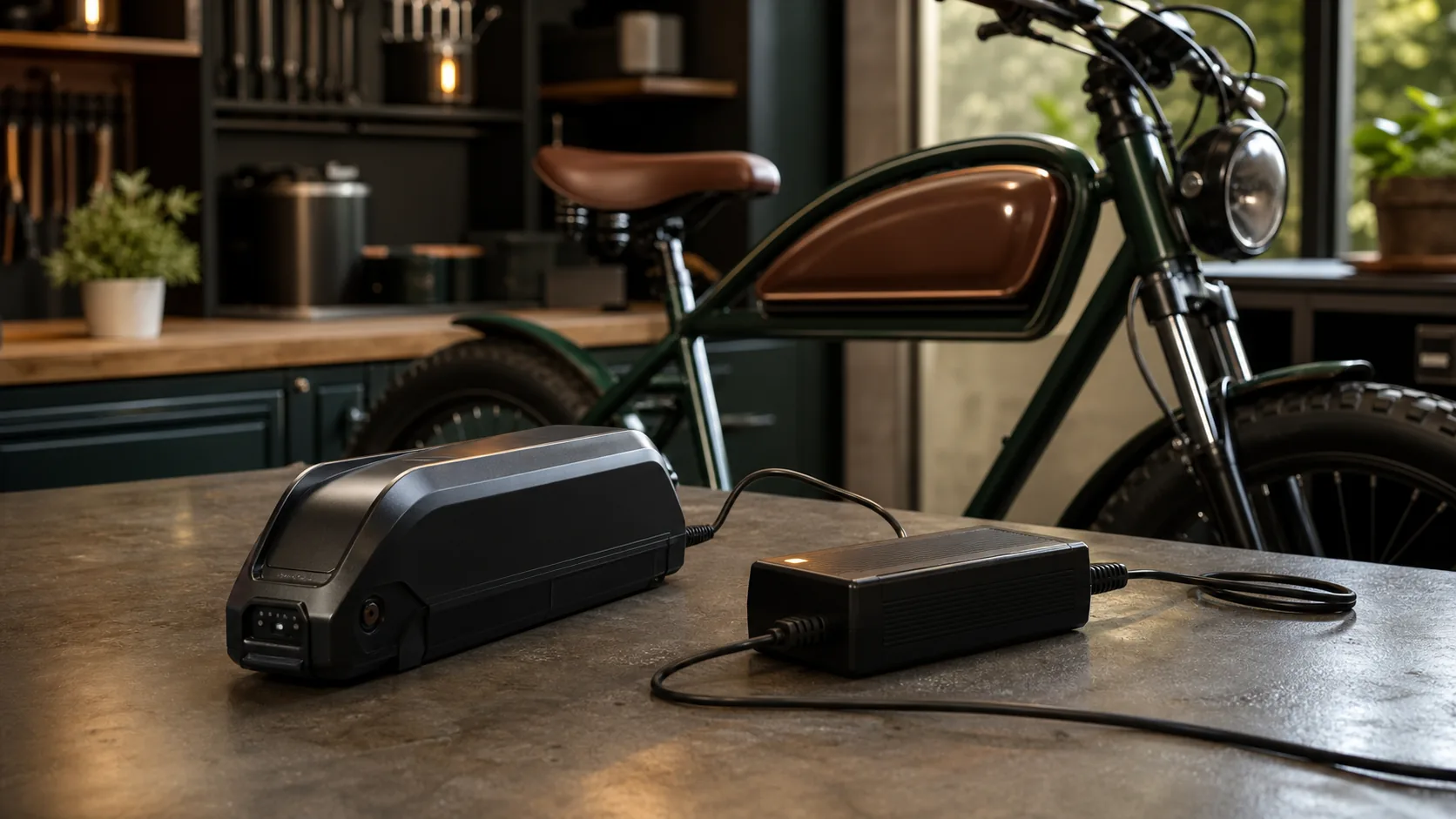
Voltage tells only part of the story. Watt-hours are a better way to compare how much usable energy the pack stores.
A bigger battery is not automatically better if the pack is hard to replace, awkward to carry or tied to a proprietary casing. Check charging time, warranty, security and whether the battery can be removed for indoor charging.
Common retro-bike battery sizes include 36V 10Ah, 48V 13Ah and 48V 17.5Ah. Higher watt-hours usually mean more range, but also more weight and longer charging times.
Why range claims vary so much
Range depends on assistance level, speed, hills, rider weight, cargo, tyre pressure, wind, temperature and battery age. Two riders can get very different results from the same bike.
Treat the quoted range as brochure best-case, not the number you should plan around. For commuting, buy enough battery for the return trip plus a margin for cold weather and battery ageing.
In cold UK winter conditions (below 5C), battery range can drop by 15 to 30 percent. If your commute is marginal in summer, it may become unreliable in January without a larger battery or workplace charging.
How much does an electric bike weigh?
Most retro electric bikes weigh between 20 and 35 kilograms, with moped-style and fat-tyre models sitting at the heavier end. Weight affects braking distance, lifting, storage, puncture repair and battery consumption.
If you need to carry the bike up stairs, put it on a rack or lift it over a doorstep every day, exact weight matters more than the marketing photo. A 5kg difference can completely change daily practicality.
How brakes, tyres and weight change the ride
A heavier retro e-bike needs brakes that feel strong from the first squeeze, not after three seconds of hand force. Tyres and frame fit affect the bike's confidence more than decorative extras ever will.
Fat tyres add comfort and visual character, but they can make the bike slower and more expensive to keep in shape. Disc brakes are common on heavier e-bikes and should be checked regularly for pad wear and rotor condition.
What the first ten minutes reveal
The first ten minutes of riding usually tell you more than the brochure. Notice whether the assistance comes in smoothly, whether the frame feels stable at low speed and whether the brakes can be trusted without overthinking it.
If the bike feels like a compromise before you even leave the car park, do not assume it will get better at home.
Related guides
 Hub Motor vs Mid-Drive Electric BikeCompare hub motors and mid-drive motors for UK e-bike buyers, including hills, maintenance, cost and retro bike suitability.
 Electric Bike Battery Range ExplainedUnderstand electric bike battery range, watt-hours, terrain, rider weight, assistance levels and realistic UK commuting margins.How Long Do E-Bike Batteries Last?How long electric bike batteries last, why capacity fades, and what UK riders can do to improve battery life and safety.E-Bike Charging Cost UK: Formula, Battery Sizes and ExamplesCalculate an e-bike charge from battery Wh and your tariff. Compare 360Wh to 960Wh batteries, charging losses, partial top-ups and monthly commuting costs.
FAQs
What spec should I check first?
Start with motor rating, battery watt-hours and weight, because those are the numbers that most quickly decide whether the bike fits your life.
Why do some bikes feel weak even with a decent motor?
Because gearing, tyres, weight and controller tuning can change the ride more than the headline watt figure.
Is a bigger battery always worth it?
Only if you need the range or do not mind the extra weight. Bigger is not automatically better.
What spec gets ignored too often?
Weight. It affects stairs, racks, punctures, braking and whether the bike stays enjoyable after the novelty wears off.
What should a good specs page help me do?
It should help you compare the bike against your route, storage and charging routine instead of just making the numbers look impressive.