Retro Electric Bike Buying Guides
Moped-Style Electric Bike UK Guide
A UK guide to moped-style electric bikes, including EAPC compliance, comfort, weight, throttles and when a bike may be a moped.
Quick facts
- Moped-style does not always mean moped-class.
- Pedalling comfort is essential on an EAPC.
- Wide tyres and large frames add weight.
- Throttle claims need careful checking.
- Private-land versions should not be assumed road legal.
What is a moped-style electric bike?
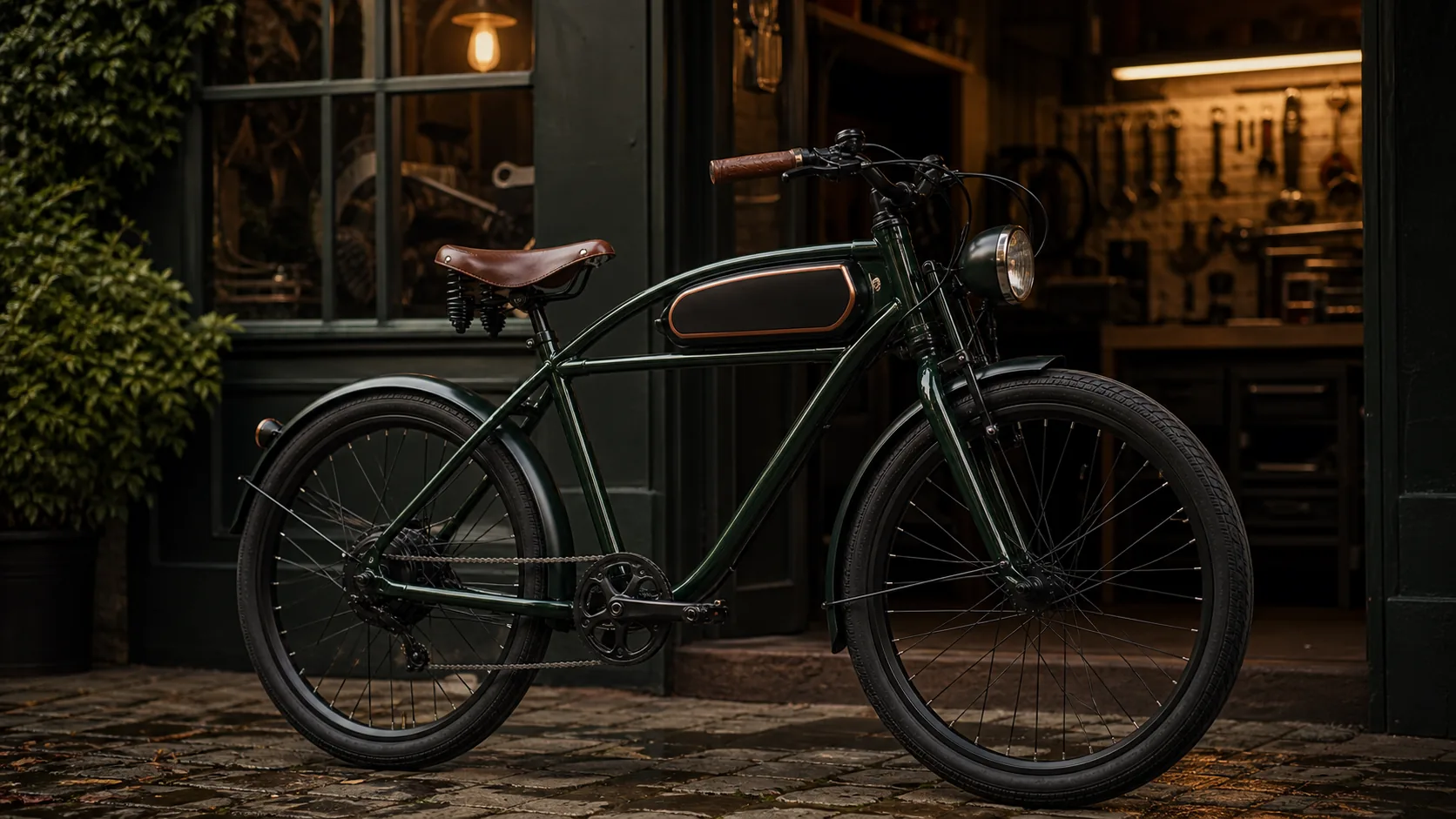
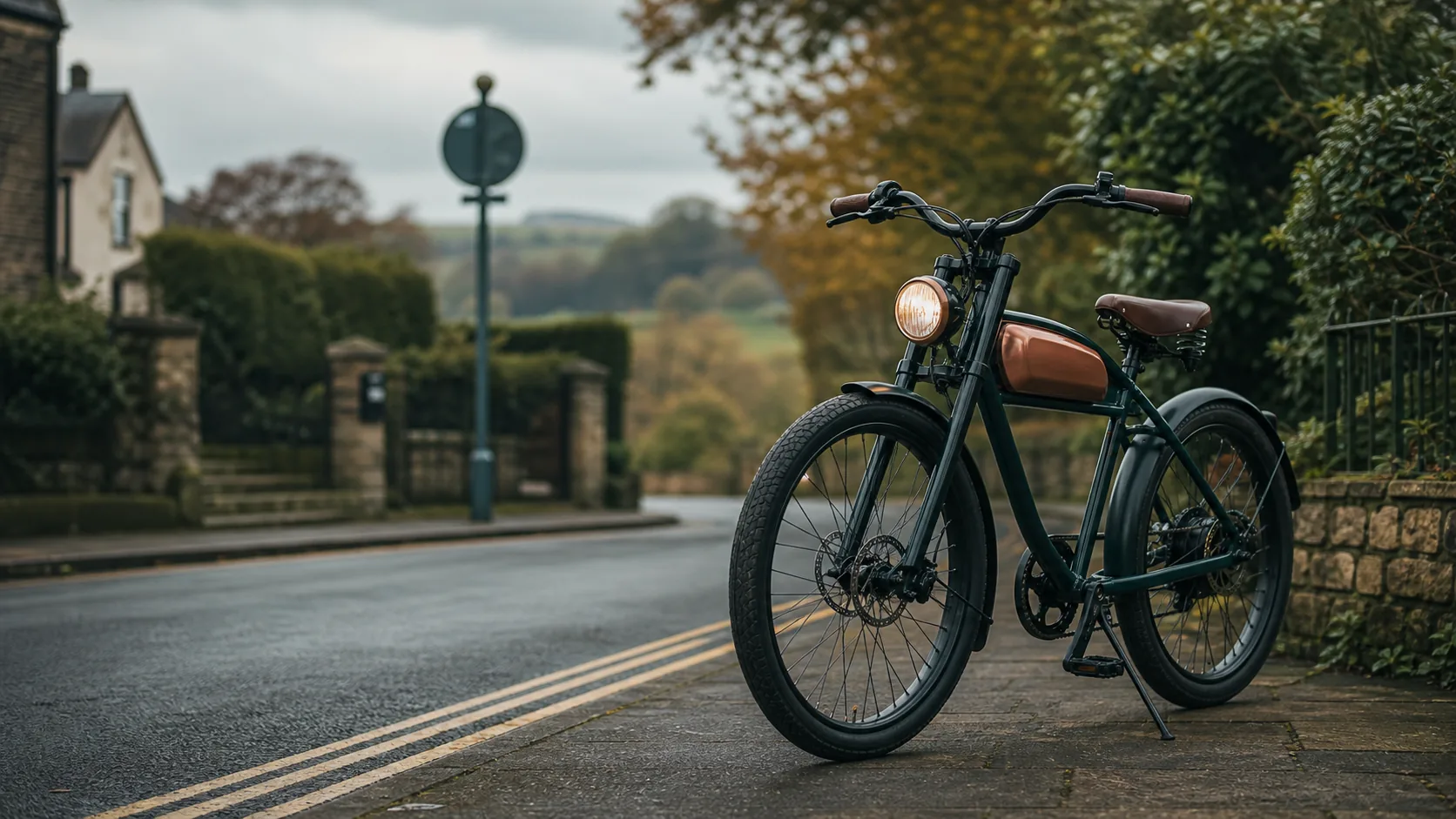
A moped-style e-bike borrows visual cues from small motorcycles: long saddles, chunky tyres, round headlights and tank-like frame panels. Some are legal EAPCs, while others are high-power private-land machines.
The category is therefore about appearance, not a legal class. Always look past the shape and check the actual specification.
Can you pedal it comfortably?
This is a practical question many buyers skip. If the saddle position, crank length or frame shape makes pedalling awkward, the bike may not suit UK EAPC use even if the specification is legal.
Try to assess leg extension, knee angle, handlebar reach and whether the bike feels stable at low speed. The first few minutes on a moped-style bike should tell you whether it feels relaxed or just visually impressive.
Legal checks for moped-style e-bikes
Look for 250W continuous rated motor power, 15.5mph assistance cut-off and clear confirmation that the bike is supplied for UK road use as an EAPC.
High-power motors, unrestricted controllers or throttle-only riding above permitted limits can move the machine towards moped or motorcycle rules.
Ownership costs and security
Moped-style e-bikes attract attention. Budget for serious locks, secure parking, replacement tyres, brake pads and battery support.
Because some models use unusual parts, check UK availability before purchase. A cheap bike can become expensive if basic spares are hard to find.
Check a moped-style bike against your actual commute
Write down the tightest turn, steepest start and narrowest parking access on your route. Then test those types of movement in a safe place before buying. You should be able to push the bike backwards, hold it while opening a gate and manoeuvre it into its parking space without relying on motor assistance.
For a commute that includes a train, check the operator's cycle policy and available spaces. A bicycle-shaped legal classification does not guarantee that a long, heavy machine will fit a train rack or be accepted on a particular service. Check lifts and barriers at both stations as well as the train itself.
At the workplace, confirm whether battery charging is allowed and where it can take place. If it is not, your useful range must cover the return journey with a margin. Do not base the purchase on a maximum advertised distance that assumes conditions unlike your route.
Look at the rear wheel before you buy
Find out how a workshop removes the rear wheel if it contains the motor. Ask whether a puncture repair needs electrical connectors disconnected and whether the seller supplies an appropriate procedure. A wheel buried behind trim and racks may take more workshop time than the same job on a simple bicycle.
Record the tyre's exact size from the sidewall and identify compatible tubes and valve types. Confirm which pads the brakes use and whether replacements can be ordered independently of the bike seller. These are practical support questions you can answer before owning the bike.
When a conventional vintage bicycle shape is a better fit
Compare a conventional step-through if you need a wide saddle-height adjustment range, regularly lift the bike or want a familiar pannier setup. Compare a geared commuter if the route includes repeated steep starts. A moped silhouette can still be a good choice, but it should pass the same ride and storage checks as any other bicycle.
When two models share a similar silhouette, compare the battery-inclusive weight and the rider's actual pedalling position. A larger battery or more decorative bodywork can change these without improving your journey.
Useful next steps
Start with the UK electric bike rules hub and the Retro Electric Bike Buying Guide UK: How to Choose a Vintage-Style E-Bike.
FAQs
What is the first thing to check on a moped-style bike?
Check whether you can pedal it naturally. If the geometry feels wrong, the bike may not be a good everyday fit even if it is legal.
Is heavier always worse?
Not always. Extra weight can make the bike feel planted, but it also makes lifting, parking, tight turns and brake wear more important.
Should I trust the word road legal in the listing?
Only if the seller can back it up with the continuous power rating, the assistance cut-off and the exact UK specification.
Why do some riders like this style so much?
Because it feels relaxed and visually distinctive. The upright position and long seat can be more comfortable than a plain hybrid for some riders.
What is the biggest surprise after purchase?
Owners often discover that storage, locking and charging are more awkward than they expected because the frame is bigger and heavier than it looked in photos.
Related guides
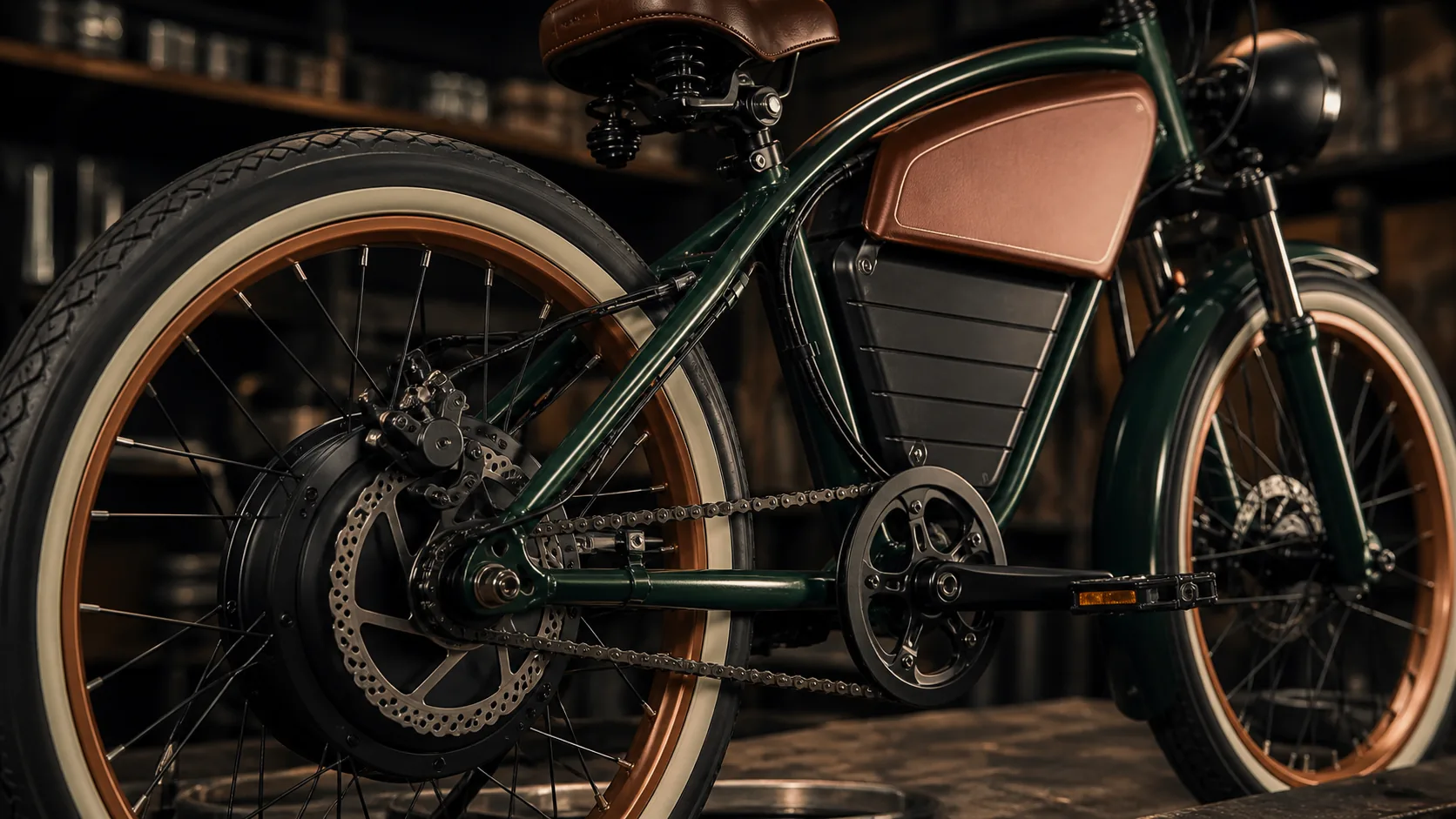 Electric Bike That Looks Like a Motorbike UKHow UK riders should assess motorbike-look electric bikes, moped styling, pedals, 250W EAPC limits and public-road legality.
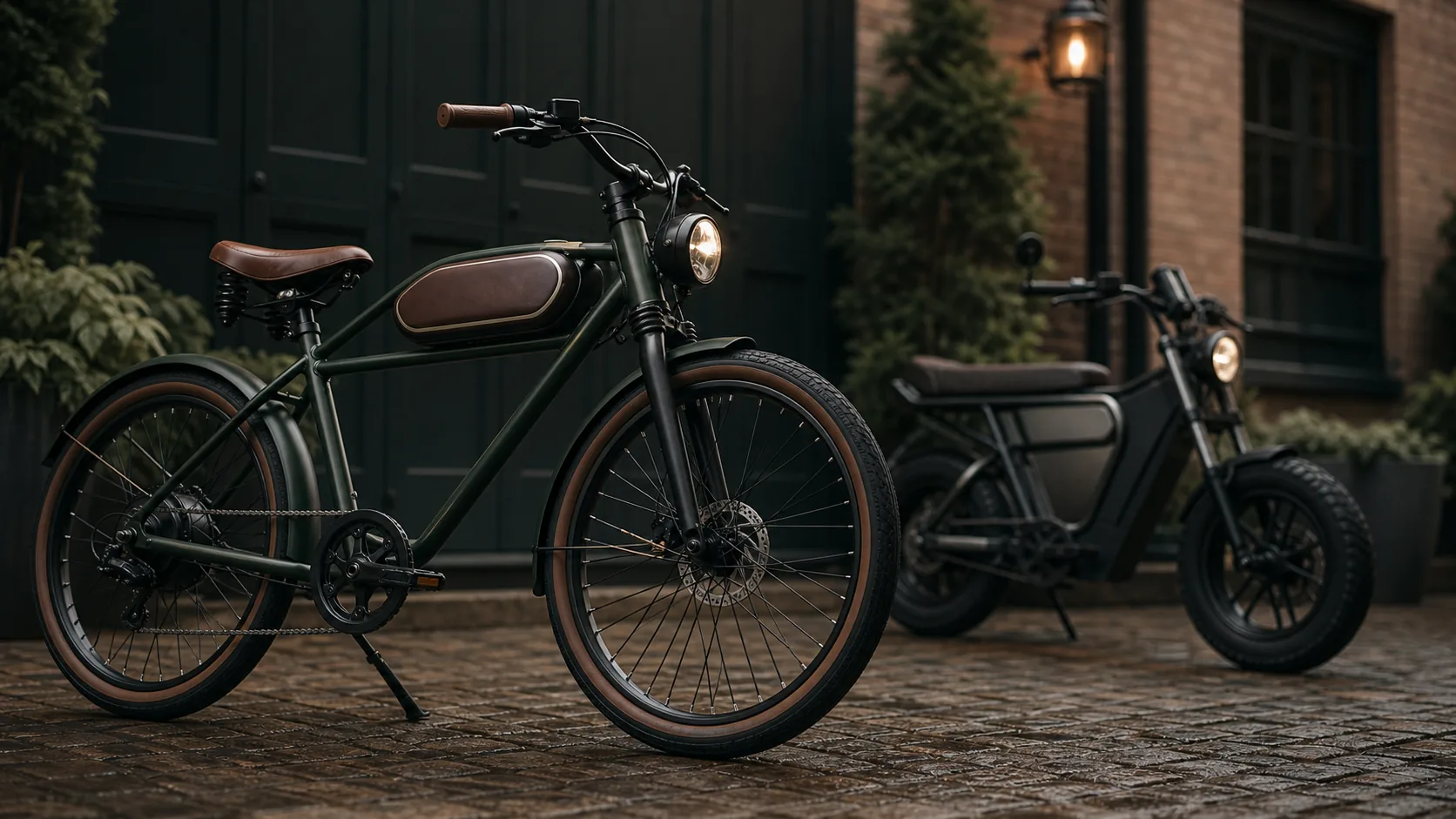 EAPC vs Moped UK: Key DifferencesCompare EAPCs and mopeds in the UK, including power, speed, licences, insurance, registration and rider expectations.
 Throttle Electric Bike UK LawPlain-English UK throttle e-bike law covering EAPCs, start assistance, older bikes, imports and what buyers should verify.Road-Legal Retro Electric Bikes UKHow to identify road-legal retro electric bikes in the UK using EAPC checks, clear specifications and practical ownership factors.