
Retro Electric Bike Buying Guides
Vintage Electric Bikes UK: Choose the Right Classic Style
Compare vintage-style electric bikes for UK riding: step-through, roadster and cruiser designs, model examples, battery access and practical test-ride checks.
Quick facts
- Vintage style can mean classic bicycle or moped-inspired design.
- Road legality still depends on EAPC compliance.
- Removable batteries are useful for flats and workplace charging.
- Classic looks should not hide weak brakes or poor support.
- Neutral, repairable components help long-term ownership.
What counts as a vintage electric bike?
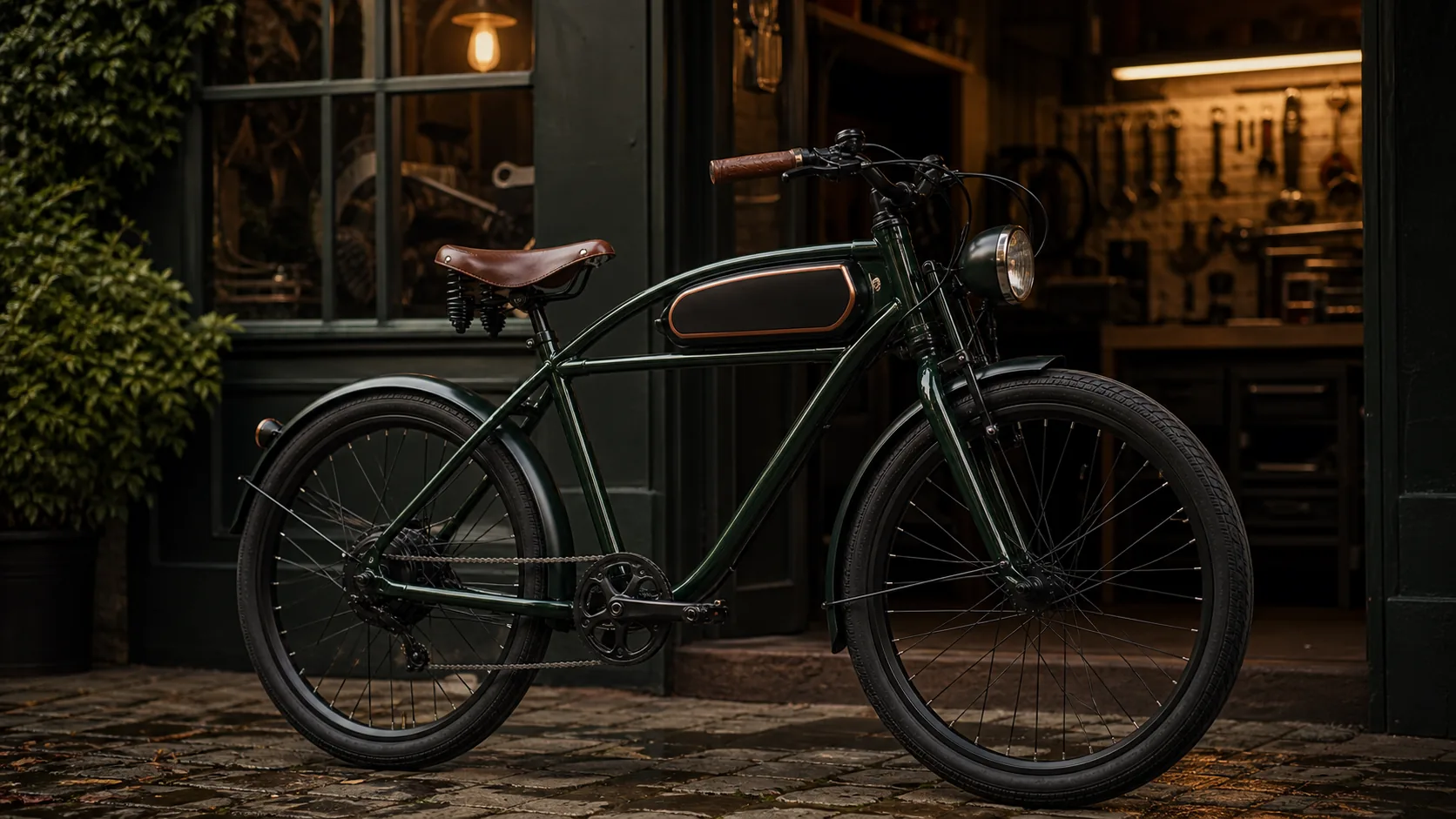
Vintage electric bikes usually borrow from classic roadsters, cruisers, cafe racers or small mopeds. They often use round lights, swept bars, tan saddles, muted colours and visible frame lines.
The best vintage styling feels integrated rather than decorative. A good bike should still ride, brake and charge like a practical modern e-bike.
UK road and weather context
UK riders should think about mudguards, lights, puncture resistance and corrosion protection. A beautiful frame can become frustrating if it is not prepared for wet roads and daily locking.
If you plan to commute, consider how the bike looks with practical accessories fitted. Some vintage designs accept racks and bags more gracefully than others.
Battery placement and servicing
Vintage-style bikes may hide the battery in a frame tube, rear rack or tank-style panel. Each option affects weight balance, charging and replacement cost.
Ask whether replacement batteries are available in the UK and how long the supplier expects to support them.
How to judge value without hype
Value comes from compliance, fit, warranty, battery quality and parts support. Cosmetic touches are welcome, but they should not carry the price alone.
Compare the whole ownership picture: charger, locks, tyres, servicing and storage.
A classic step-through versus a retro cruiser
The VOLT Kensington is a concrete example of the classic step-through category: its manufacturer lists a 250W rear motor and a 15.5mph assistance limit. Use the model's size and battery options to begin a shortlist, then verify the exact version with the dealer. This is a specification example, not a road-test verdict.
The Rayvolt Cruzer V4 illustrates a different interpretation of vintage styling. The manufacturer lists a 29-33kg weight range. Its extended cruiser shape makes storage length and turning space important measurements. Rayvolt also documents different motor variants, so a brand name or photograph alone is not evidence that a particular bike is a UK EAPC.
These examples show why a search for a vintage electric bike can produce two quite different products. Choose the riding position and storage footprint first, then compare details within that category.
References: VOLT Kensington: manufacturer specifications; Rayvolt Cruzer V4: manufacturer specifications; Rayvolt: motor variants and support
A ten-minute test ride for a vintage-style e-bike
Start with the saddle adjusted for you, rather than the position used in the shop photograph. With a staff member's permission and somewhere safe, check mounting, dismounting, walking the bike backwards and making a tight turn. A swept-back bar should bring the grips within comfortable reach without trapping your knees as you turn.
Ride briefly with assistance off on level ground. You do not need to enjoy riding a heavy bike unassisted, but you do need to know whether you could bring it home after a depleted battery. Then test a low assistance setting, stop and restart, and try the gears. Avoid buying a fixed-position saddle design solely because you can reach the ground.
Finally, remove and refit the battery as the manual describes. Check that the key, latch and electrical contacts remain accessible with a pannier or basket fitted. Ask the shop to show you the battery part number and the process for ordering a replacement.
Measure the route from the road to your charging space
Measure your narrowest doorway, the turn into your hallway and the usable length of your shed or rack. Compare those dimensions with the bike's overall length and handlebar width, not the frame size. Include the space needed to swing a battery out of a rack or frame compartment.
For an upstairs flat, test the actual lift before purchase if possible. Removing the battery reduces weight but does not make a long frame compact. A secure ground-floor store with indoor battery charging may be workable; a daily carry around a narrow staircase may make another bicycle style a better choice.
| Design | Useful starting point for | Check before choosing |
|---|---|---|
| Classic step-through | Frequent stops and easy mounting | Saddle adjustment, loaded handling and battery clearance |
| Roadster with crossbar | A traditional bicycle stance | Standover height, reach and rack mounts |
| Long cruiser | Relaxed leisure riding | Overall length, turning space and unassisted pedalling |
| Bench-seat moped style | Riders seeking a motorcycle silhouette | Fixed seat height, knee angle and exact UK motor specification |
Useful next steps
Start with the UK electric bike rules hub and the Retro Electric Bike Buying Guide UK: How to Choose a Vintage-Style E-Bike.
FAQs
What is the biggest mistake vintage-bike buyers make?
They buy the look first and the support package second. That usually creates regret when the battery, tyres or brakes need attention.
Does vintage styling make the bike harder to maintain?
Sometimes. Decorative panels, hidden batteries and unusual parts can make charging and servicing less straightforward than on a plain hybrid.
Is a removable battery important on a vintage bike?
Often yes. It makes indoor charging easier and reduces the chance that the bike becomes too awkward to live with in a flat or office.
Should I pay extra for leather-look extras?
Only if the basics are already strong. A better battery, brakes and warranty usually matter more than cosmetic trim.
What makes a vintage bike feel good in the real world?
It should feel comfortable at low speed, stable when loaded and easy to keep clean, lock and charge through ordinary UK weather.
Related guides
Cafe Racer Electric Bike UK GuideWhat UK buyers should know about cafe racer electric bikes, including road legality, riding position, range and maintenance. Road-Legal Retro Electric Bikes UKHow to identify road-legal retro electric bikes in the UK using EAPC checks, clear specifications and practical ownership factors.Fat Tyre Retro Electric Bike UK GuideA UK guide to fat tyre retro electric bikes, including legality, comfort, drag, punctures, brakes and road use.Retro Electric Bike Buying Guide UKHow to choose a vintage-style electric bike for UK roads, including EAPC compliance, fit, battery range, brakes and ownership costs.