
UK E-bike Law and EAPC Rules
Are Retro Electric Bikes Legal in the UK?
Learn when a retro electric bike is road legal in the UK, including EAPC pedals, 250W motors, 15.5mph assistance and throttle checks.
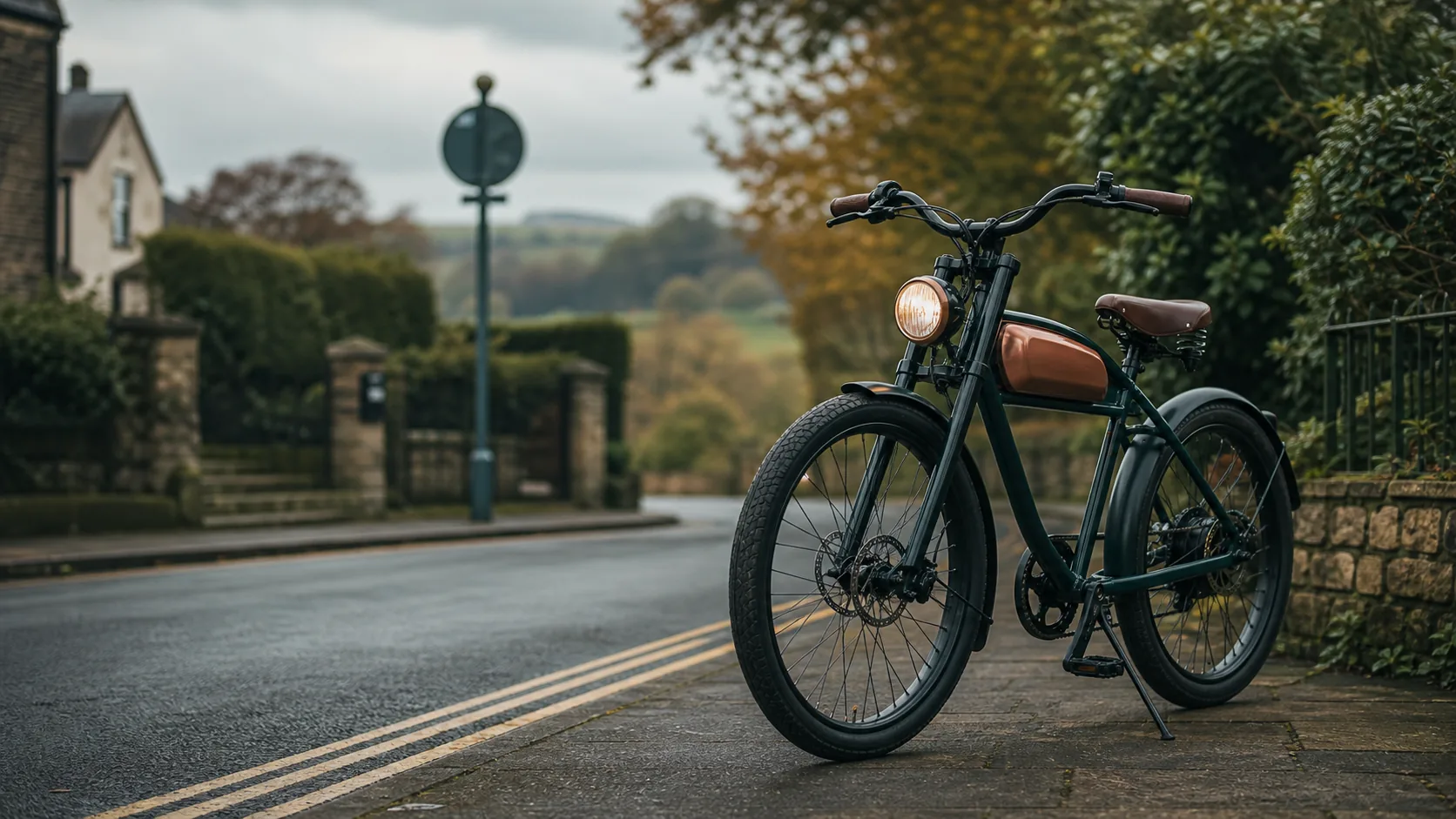
Quick facts
- Retro styling is allowed; the specification decides legality.
- Pedals, 250W continuous rating and 15.5mph assistance cut-off are central checks.
- The rider must be at least 14.
- High-power retro bikes may need moped or motorcycle treatment.
- Private-land labels are a warning for public-road use.
Does retro styling affect UK legality?
No. A vintage frame, tank-style battery cover, leather-look saddle or cafe racer silhouette does not make a bike illegal on its own. UK road legality depends on how the electric assistance works and whether the bike fits the EAPC definition.
This distinction matters because many retro e-bikes look like small mopeds. The visual style can be dramatic, but the legal assessment still starts with pedals, rated motor power and assistance speed.
What makes a retro e-bike road legal?
The bike should have pedals that can propel it, a motor rated no higher than 250W continuous power, and motor assistance that cuts off at 15.5mph. The rider must also be at least 14.
Ask for the exact UK specification, not just a model name. Some brands sell similar-looking bikes in different power versions for different markets.
When can a retro bike become a moped in practice?
A moped-style e-bike can fall outside EAPC rules if the motor rating, speed assistance or throttle setup goes beyond the permitted limits. At that point, using it on public roads may require registration, insurance, tax, number plates, a helmet and an appropriate licence.
Do not rely on pedals alone. Some machines have decorative or secondary pedals but are still marketed for off-road or private-land use.
Questions to ask before buying
Ask the seller for the continuous rated motor power, assisted speed cut-off, throttle behaviour, UK compliance statement, charger details and battery replacement availability.
If the answer is vague or the advert focuses on unrestricted speed, treat the bike as unsuitable until proven otherwise.
Useful next steps
Start with the UK electric bike rules hub and the UK Electric Bike Rules: 250W, 15.5mph and EAPC Law Explained.
FAQs
Can an electric bike look like a motorcycle and still be 100% legal on UK roads?
Yes. UK law evaluates mechanical and electrical specifications, not aesthetic styling. As long as the bike features working pedals, a 250W continuous rated motor, assistance cutting off at 15.5mph, and compliant throttle operation, it is 100% road-legal as an EAPC regardless of cafe racer or motorcycle styling.
What happens if a police officer stops me on a retro-style electric bike?
Police officers look for three primary markings: the manufacturer's motor compliance plate (showing maximum 250W), the battery voltage/rating, and whether a full-speed throttle is present. Carrying a copy of your retailer invoice or manufacturer spec sheet confirms compliance quickly.
Are off-road speed unlock buttons legal on UK roads?
No. If an electric bike is equipped with a switch, screen setting, or app toggle that allows the rider to unlock 500W+ power or speeds above 15.5mph while on public roads, UK courts and police treat the vehicle as capable of exceeding EAPC limits, making it an unapproved motor vehicle.
Do road-legal retro electric bikes need an MOT or road tax?
No. Fully compliant 250W EAPCs are classified as bicycles under Section 189 of the Road Traffic Act 1988. They require no MOT test, no Vehicle Excise Duty (road tax), no DVLA registration, and no driving licence.
What age must a rider be to ride a retro electric bike in public in the UK?
In England, Scotland, and Wales, you must be at least 14 years old to ride an electrically assisted pedal cycle on public roads and cycleways. It is an offence for anyone under 14 to ride an EAPC on public roads.
Related guides
UK Electric Bike Rules: 250W, 15.5mph and EAPC Law ExplainedPlain-English UK EAPC rules covering 250W motors, 15.5mph assistance, throttles, licences, insurance and road legality.Road-Legal Retro Electric Bikes UKHow to identify road-legal retro electric bikes in the UK using EAPC checks, clear specifications and practical ownership factors.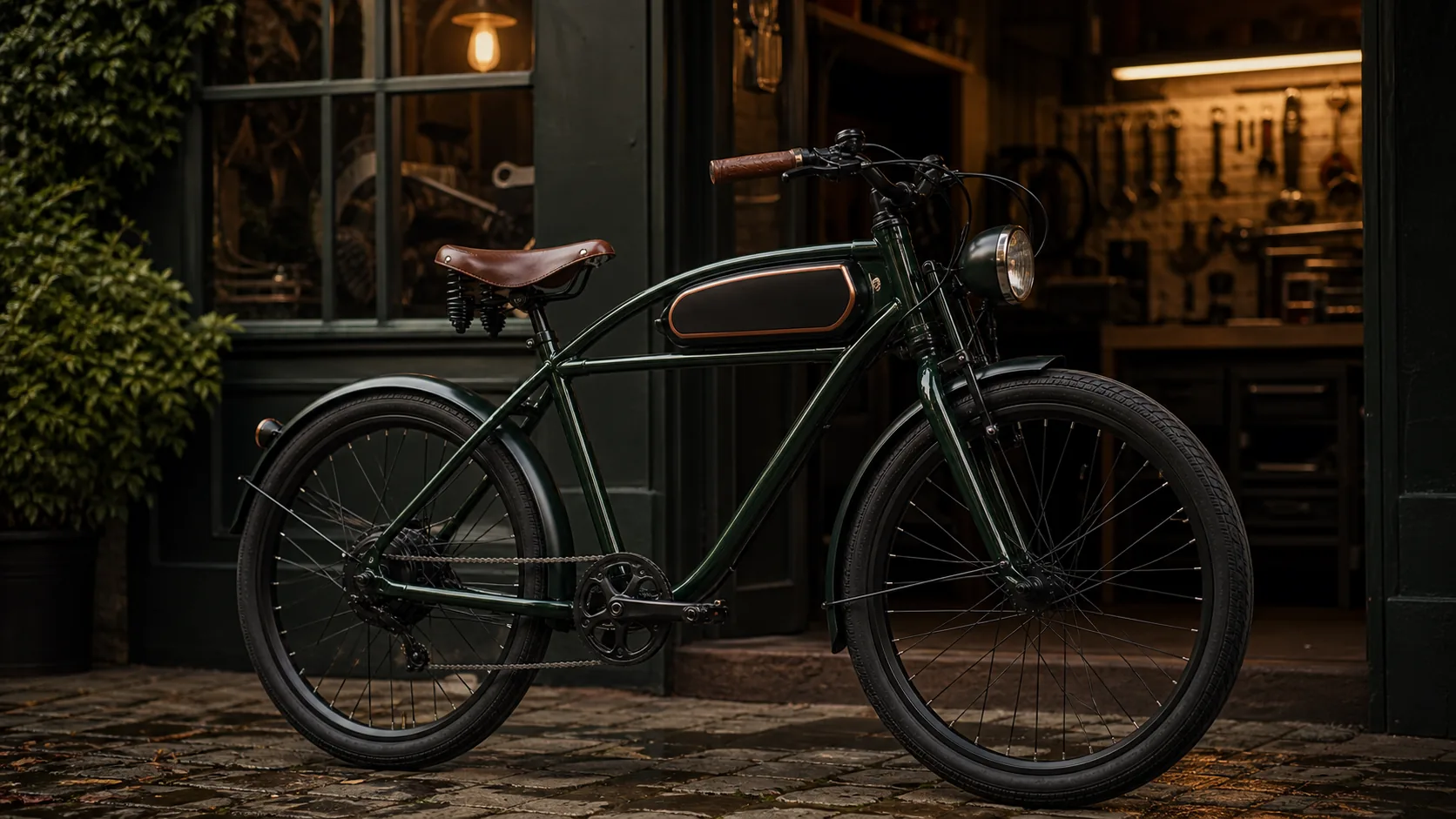 250W Retro Electric Bike UK GuideWhat 250W means for retro electric bikes in the UK, how it relates to EAPC law, and what buyers should check before purchase.
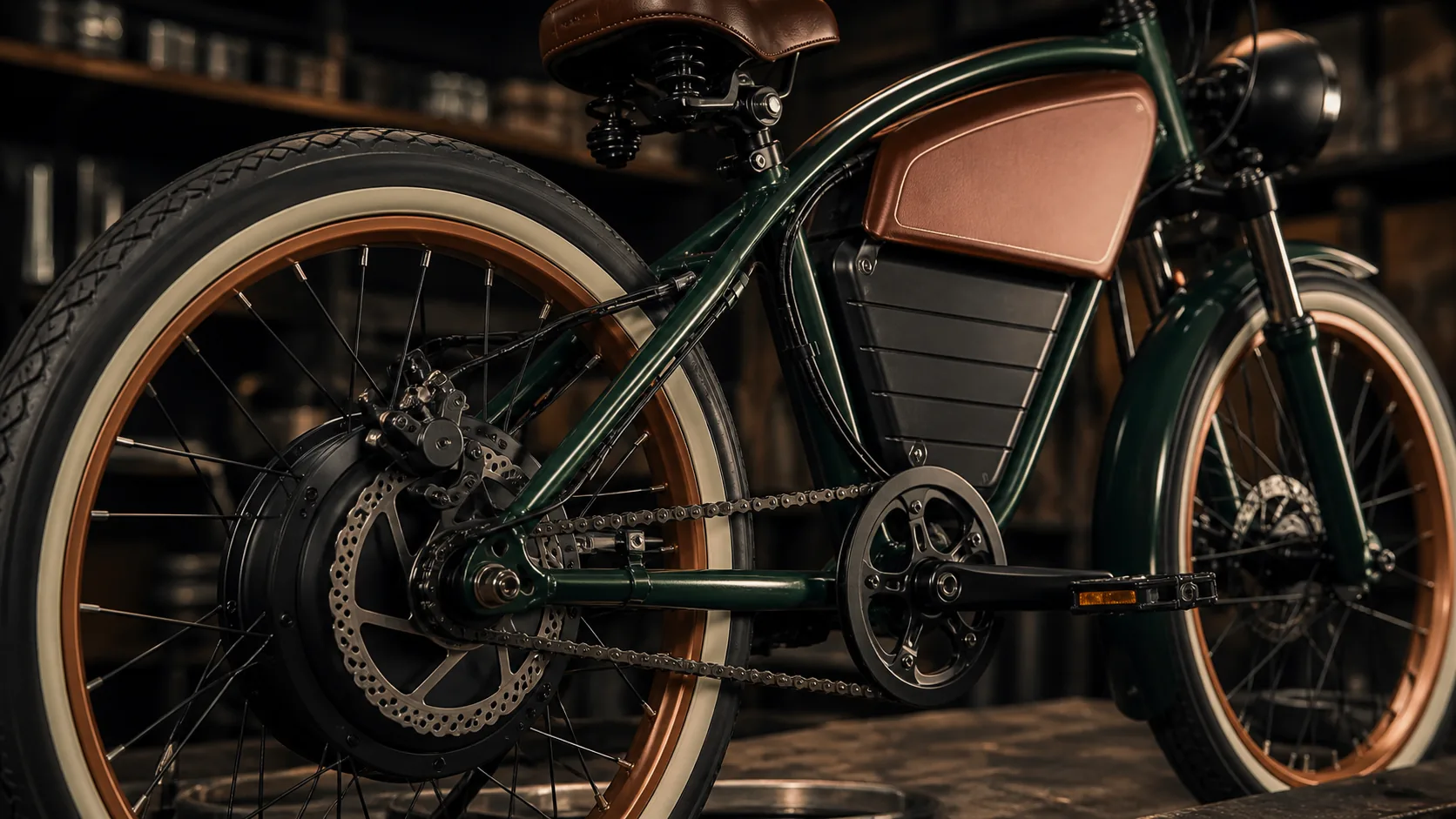 Electric Bike That Looks Like a Motorbike UKHow UK riders should assess motorbike-look electric bikes, moped styling, pedals, 250W EAPC limits and public-road legality.