Rider Use Cases
Retro Electric Bike for Hills
How to choose a retro electric bike for hilly UK routes, including motor type, gearing, battery margin, brakes, weight and climb feel.
Quick facts
- Route shape matters more than headline motor power.
- Mid-drives usually feel better on steep, repeated climbs.
- Battery margin matters because hills drain packs quickly.
- Brakes and weight become more important on the way back down.
- A short test ride on level ground is not enough.
What kind of hill are you actually riding?
A short sharp climb, a long steady incline and a route full of stop-start traffic are very different. The bike that feels fine on one can feel tiring on the other.
If you also ride into wind, carry shopping or start from junctions, the route can feel harder than the elevation alone suggests.
Mid-drive or hub drive for hills?
Mid-drives usually climb more naturally because they can work through the gears and keep the motor in a useful band. That often makes the bike feel less strained on steeper routes.
Hub drives can still work on hills if the route is moderate, the battery is decent and the gearing is sensible. They can also be simpler and cheaper to own.
Why hills punish small batteries
Climbing uses more energy than flat riding, and repeated climbs can make a small pack feel tired quickly. Add cold weather and the margin shrinks again.
If the brochure range only just covers your route, the bike is already too close for comfort.
Why the downhill matters too
A hill bike is only half about climbing. Coming back down on a heavier bike needs predictable brakes, stable tyres and a frame that feels calm under load.
If the bike has a lot of weight high up or awkwardly balanced, the downhill can feel less reassuring than the climb looked on paper.
What to test before you buy
Try a restart on a slope, a slow turn, a gear change under load and a stop on a downhill if the seller will allow it. Those moments reveal more than a flat car-park loop.
If the bike surges, bogs down or feels like it is fighting the gears, keep looking.
| Factor | Better for hills | Why |
|---|---|---|
| Climb feel | Mid-drive | It can use the gears and stay in a useful range. |
| Budget simplicity | Hub drive | Often cheaper and less complex. |
| Battery margin | Higher Wh and better support | Hills can burn through small packs quickly. |
| Downhill confidence | Good brakes and balanced weight | The descent matters almost as much as the climb. |
Useful next steps
Start with the UK electric bike rules hub and the How to Choose a Retro Electric Bike for Your Riding Style.
FAQs
Is mid-drive always the right answer for hills?
No. It often feels better, but a well-chosen hub-drive can still work if the route is moderate and the battery is strong enough.
What matters more than motor power?
Battery margin, gearing, bike weight and brake quality usually matter more in real hill riding.
Can a heavy retro bike still handle hills?
Yes, but it will usually need more help from the motor and a more careful eye on battery range and brakes.
Why does a test ride on flat ground mislead people?
Because a bike that feels fine on level pavement can feel very different once you restart on a climb or arrive tired at the end of the day.
What is the safest buying mindset?
Buy for the second climb, the wet descent and the return journey, not just the first strong pull away from the curb.
Related guides
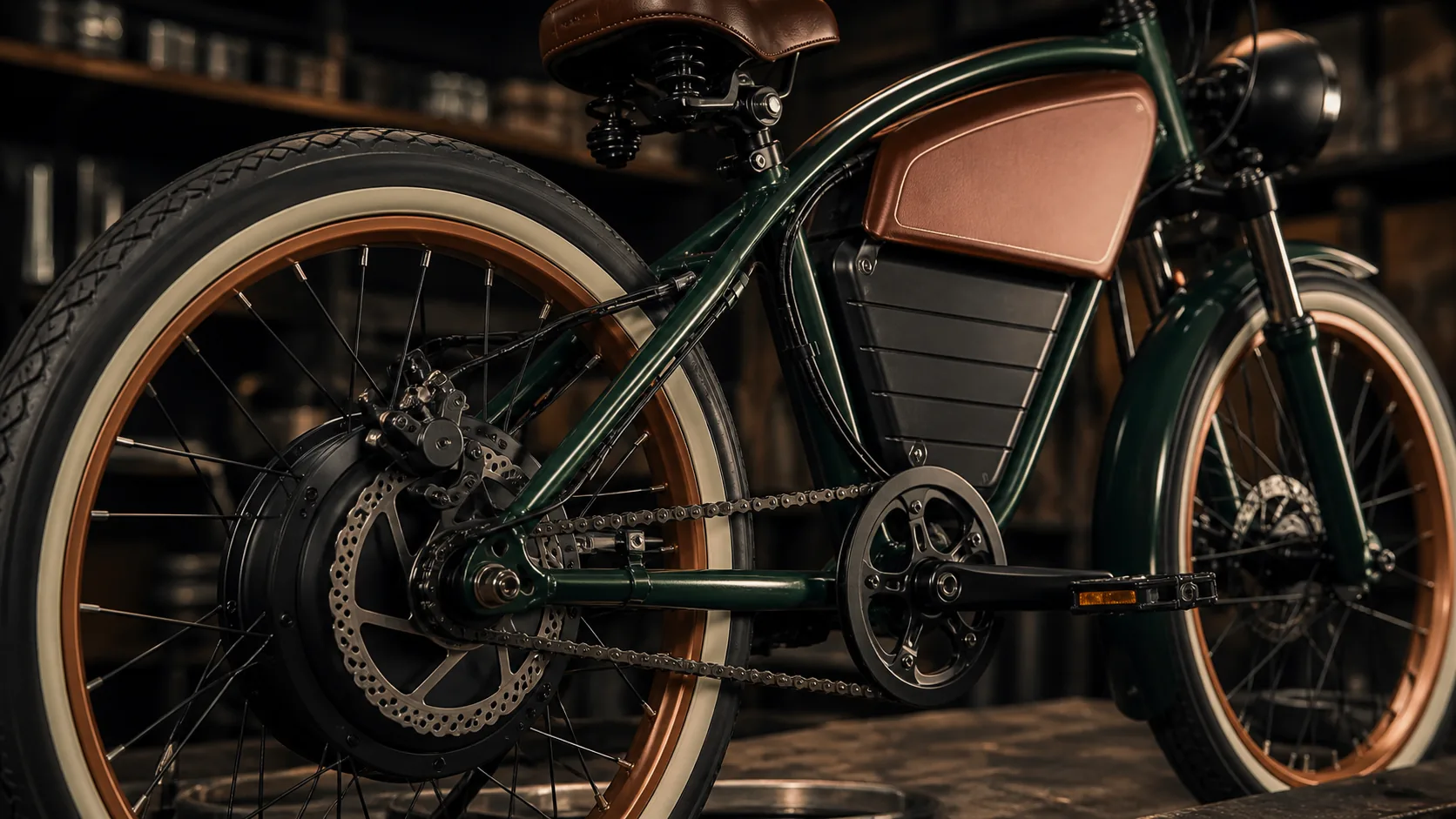 Hub Motor vs Mid-Drive Electric BikeCompare hub motors and mid-drive motors for UK e-bike buyers, including hills, maintenance, cost and retro bike suitability.
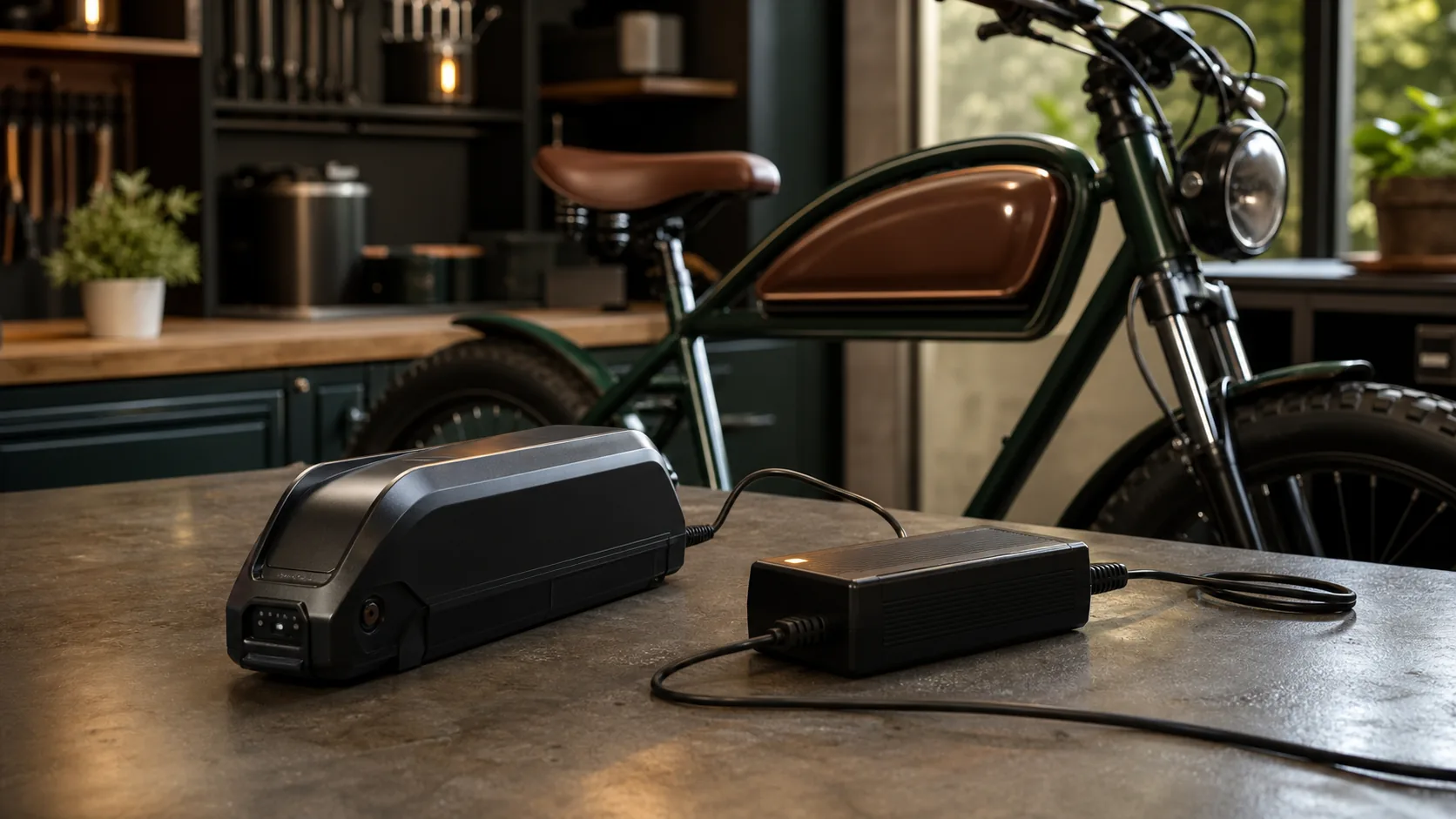 Electric Bike Battery Range ExplainedUnderstand electric bike battery range, watt-hours, terrain, rider weight, assistance levels and realistic UK commuting margins.
 250W Electric Bike Law UKThe UK 250W electric bike law explained in plain English, including continuous rated motor power, EAPC rules and buyer checks.Retro Electric Bike for CommutingHow to choose a retro electric bike for commuting, including UK legality, range, lights, mudguards, locks, weight and charging.