Topical hub
How to Choose a Retro Electric Bike for Your Riding Style
A UK rider-focused guide to matching retro electric bikes with commuting, city riding, hills, rider height and practical storage.
Quick facts
- Rider fit matters more than frame style.
- Hills and heavier riders use more battery capacity.
- City bikes need practical lights, guards and puncture resistance.
- Bench seats can limit adjustment for short or tall riders.
- Legal EAPC limits still apply to every use case.
Guides in this hub
What journey are you actually buying for?
Start by writing down the journeys you will ride most often. Five miles of flat city riding is a different brief from a hilly rural commute, delivery shifts or weekend leisure rides with a loaded backpack.
The best retro bike for one rider can be a poor match for another. Range, geometry, tyres, brakes and weight should all be judged against your daily route rather than a generic best list.
How rider height and posture affect choice
Retro bikes often prioritise shape and stance. That can reduce the amount of seat and handlebar adjustment compared with a conventional hybrid. Check minimum and maximum saddle height, reach and standover carefully.
Shorter riders may prefer step-through frames or smaller wheels. Taller riders may need a longer cockpit, stronger seatpost extension and a frame that does not feel cramped at traffic speed.
What changes for hills, loads and rough roads?
Hills, heavier riders and luggage all increase motor and battery demand. A legal 250W bike can still climb useful gradients, but gearing, controller tuning, tyre choice and rider input matter.
Fat tyres can smooth rough surfaces but may feel slower. Narrower city tyres can be efficient but less comfortable on broken lanes. Choose based on the roads you really use.
Why use case does not override EAPC law
Delivery work, commuting and private ownership do not create a separate e-bike class. If you use the bike on public roads, it still needs to fit EAPC rules unless it is properly registered and used as a motor vehicle.
Be cautious with bikes advertised as high-power, off-road or private-land machines. They may be tempting for hills or loads, but they can create public-road legal problems.
Related guides
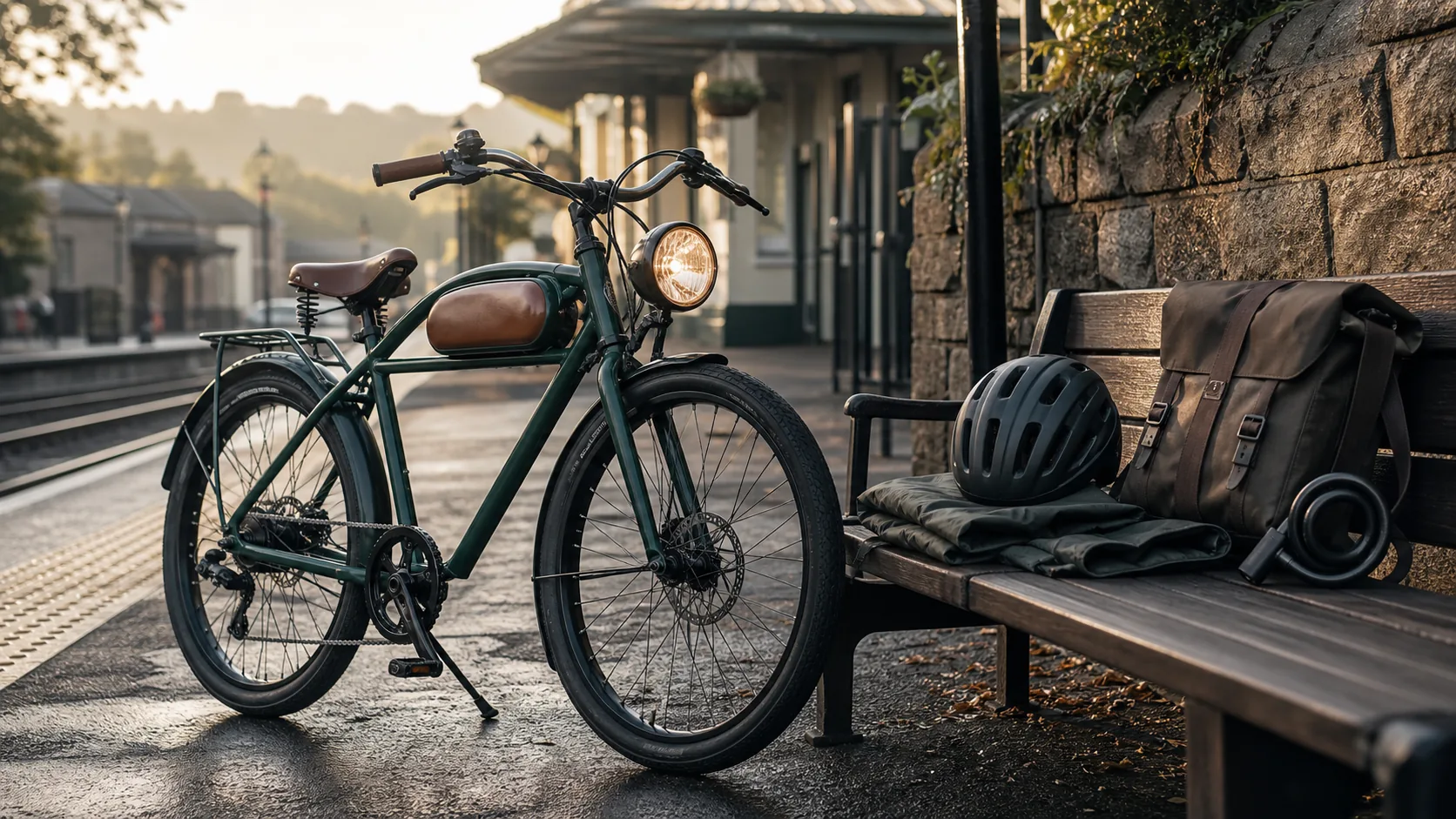 Retro Electric Bike for CommutingHow to choose a retro electric bike for commuting, including UK legality, range, lights, mudguards, locks, weight and charging.
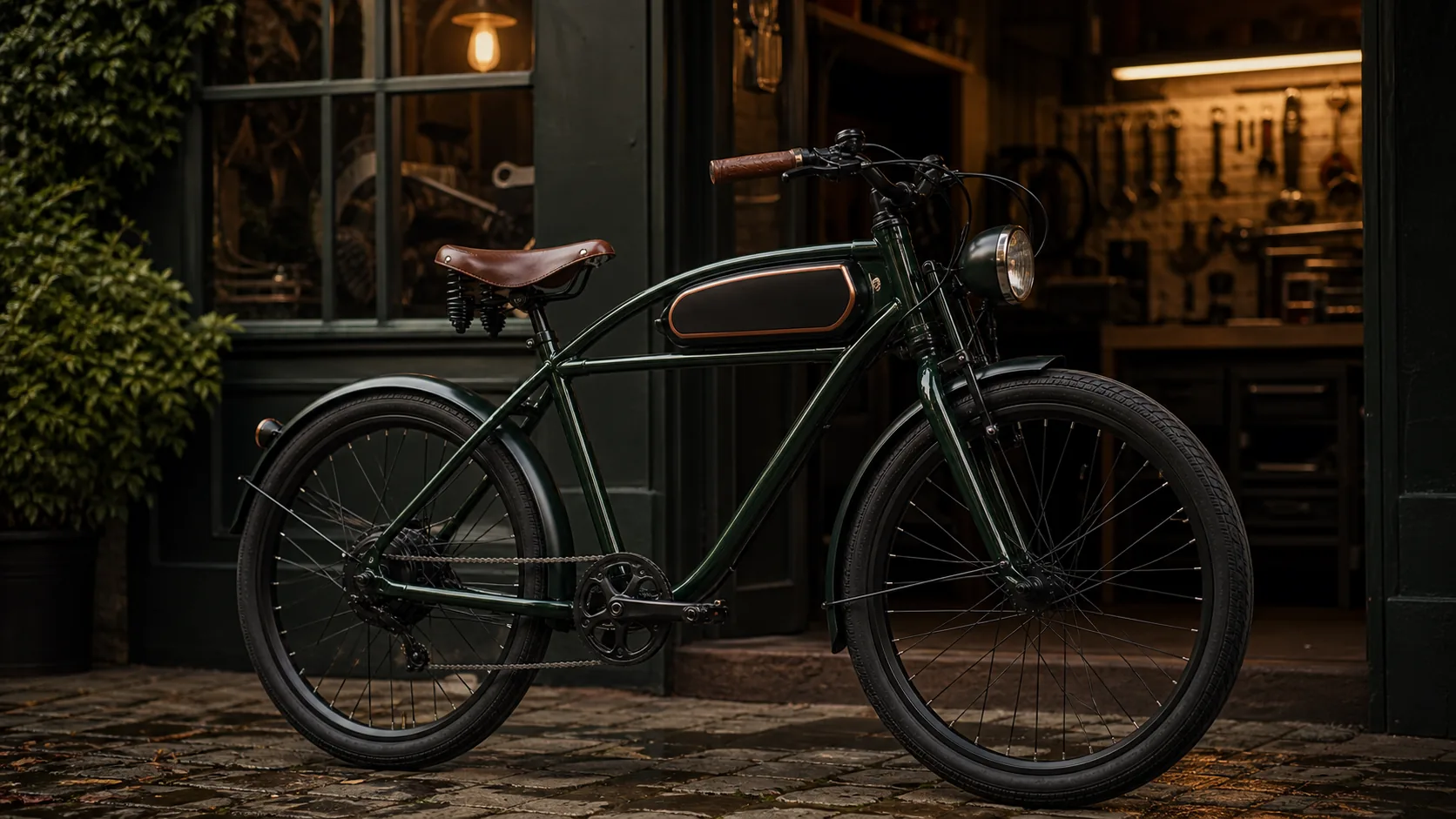 Retro Electric Bike Buying Guide UKHow to choose a vintage-style electric bike for UK roads, including EAPC compliance, fit, battery range, brakes and ownership costs.
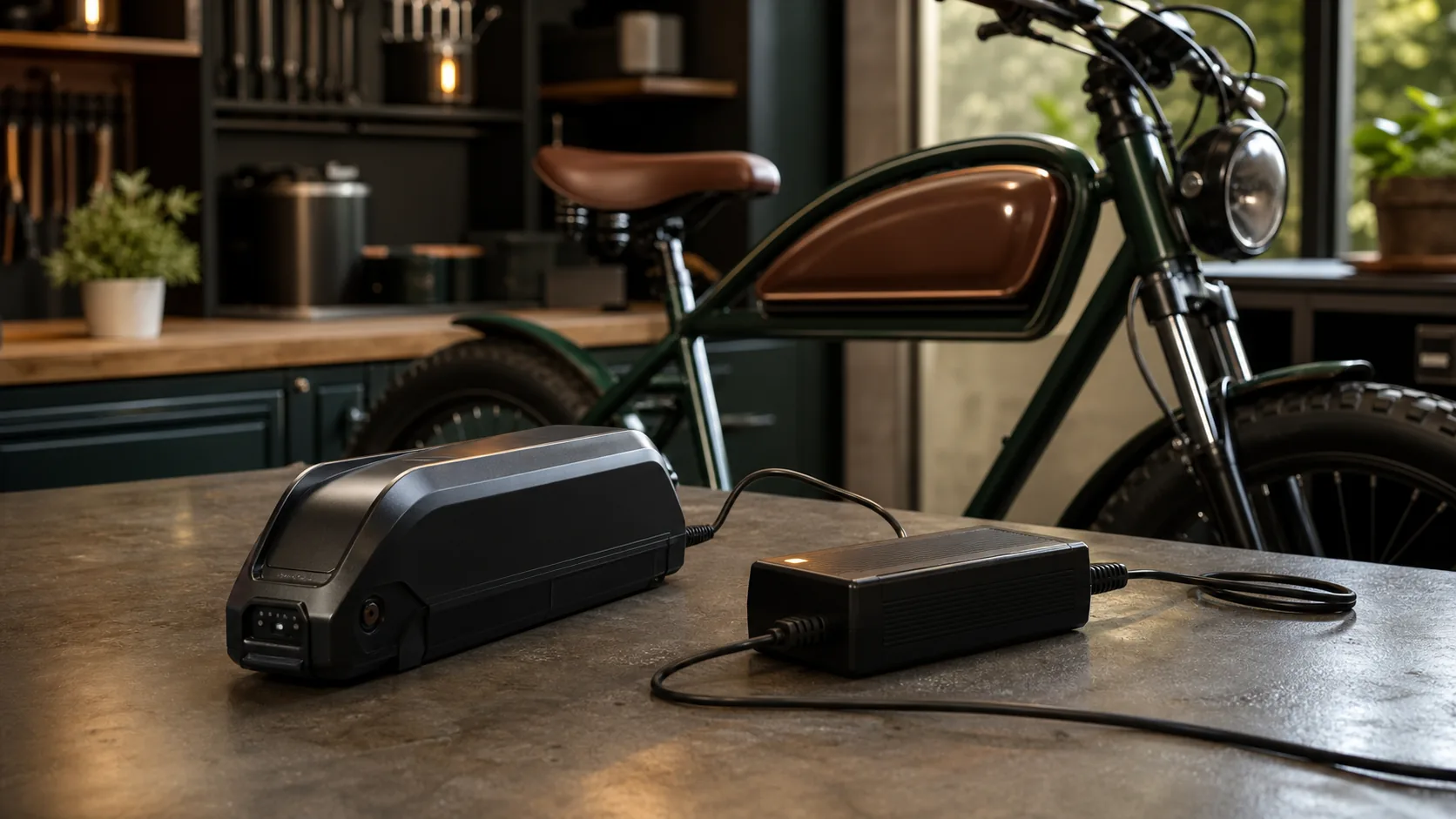 Electric Bike Battery Range ExplainedUnderstand electric bike battery range, watt-hours, terrain, rider weight, assistance levels and realistic UK commuting margins.
FAQs
Which retro e-bike style is most comfortable for longer journeys?
Vintage Dutch-style and roadster frames with swept-back handlebars and upright riding postures offer the greatest ergonomic comfort for rides over 10 miles. Cafe racers with aggressive leaned-forward seating can cause neck or wrist fatigue on longer UK commutes.
Can I adjust the saddle height on a scrambler-style bench seat?
Most moto-scrambler retro e-bikes feature fixed, non-adjustable bench seats. If you are shorter than 5'4" or taller than 6'2", test-ride before purchasing to ensure proper leg extension while pedalling, or choose a model with an adjustable seatpost.
Are fat-tyre retro bikes suitable for daily urban commuting?
Yes, 20x4-inch fat tyres absorb potholes, tram tracks, and cobblestones exceptionally well. However, they are heavier, increase rolling resistance, and may not fit standard bicycle racks or public transit train carriages.
How do I choose between a cadence sensor and a torque sensor?
Cadence sensors deliver full motor assistance as long as the pedals are rotating, requiring very little effort. Torque sensors measure how hard you push on the pedals and deliver proportional power, providing a more intuitive, athletic feel and saving battery range.
What accessories are essential for practical UK everyday use?
Full-length mudguards (essential for wet UK weather), integrated front and rear lights powered by the main battery, a sturdy double-leg kickstand, and a Sold Secure Gold or Diamond D-lock with a cable.