
Technical Buying Advice
How Long Do Electric Bike Batteries Last?
How long electric bike batteries last, why capacity fades, and what UK riders can do to improve battery life and safety.
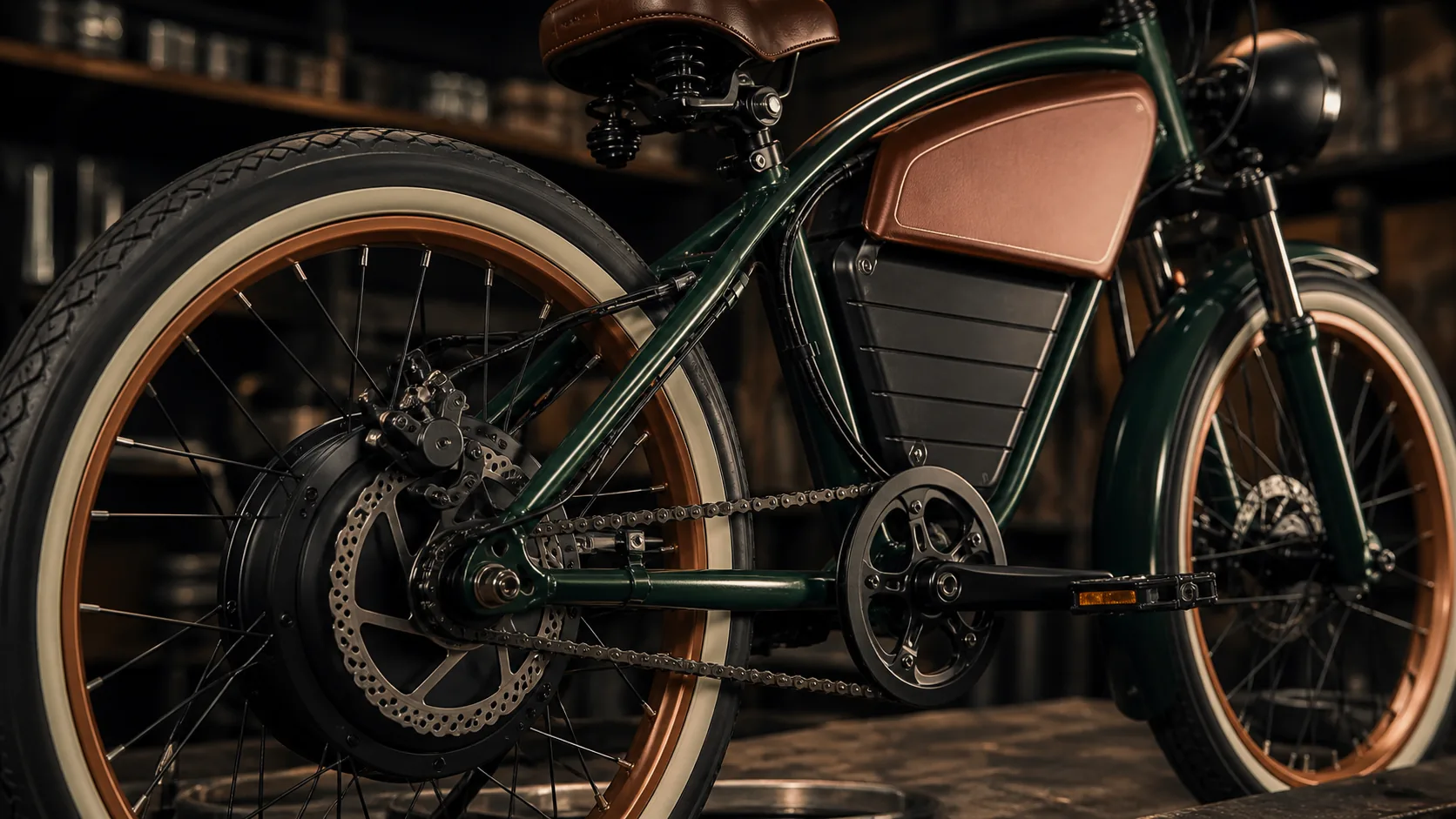
Quick facts
- Range loss usually appears before hard failure.
- Heat, deep discharge and rough storage shorten life fastest.
- A battery that still works is not always still good enough.
- Replacement availability matters as much as current range.
- Swelling, smell or heat means stop using the pack.
What lifespan really means
Battery lifespan depends on cell quality, pack design, use and storage, but the important thing most riders notice first is range loss, not total failure.
A battery can still work for a long time while offering less usable range than it did on day one. That is normal ageing, not necessarily a fault.
There is no single age that fits every bike, because a lightly used commuter stored indoors ages very differently from a hard-worked bike that lives in a cold shed.
What shortens battery life fastest
Heat, very deep discharge, long storage while completely full or empty, and the wrong charger all shorten battery life faster than most casual riders expect.
If you store the bike for weeks, follow the maker's storage guidance. A battery left to sit hot, empty or damaged is usually a battery that ages badly.
Leaving the pack in a hot shed or running it to zero on every ride are classic ways to make the battery feel old before its time.
What ageing looks like on the bike
The first clue is usually shorter range, not a dead battery. On the bike, that often shows up as a pack that feels fine in summer but much weaker in cold weather or on a hilly route.
If the motor still works but you have to lower assistance just to finish the same journey, the battery is telling you something useful.
Why replacement planning matters
A bike with no clear replacement battery path can become uneconomic even if the frame and motor are fine. Before buying, check whether the supplier still sells packs, chargers and connectors for the exact model.
This matters even more on retro frames that hide the battery in a proprietary casing, because a stylish shell is not much help if the pack becomes unobtainable.
Ask whether a local shop can fit the replacement or whether you are locked into one seller for the life of the bike.
When the battery is done
Stop using a battery that swells, smells unusual, overheats, leaks, smokes, sparks or behaves unpredictably.
A pack that has been badly dropped, crushed or water damaged should be treated as unsafe until a competent supplier or technician says otherwise.
| Condition | What it usually suggests | What to do |
|---|---|---|
| Still reaches your normal route | Probably fine if it has not been abused | Keep monitoring and follow good charging habits. |
| Range has clearly fallen | Ageing pack or changed route demands | Plan for replacement and check easy fixes first. |
| Gets hot, swells or smells odd | Unsafe or failing battery | Stop using it immediately. |
| No replacement battery exists | Ownership risk, even if it still works | Think twice before buying or keeping it. |
Useful next steps
Start with the UK electric bike rules hub and the Electric Bike Specs Explained: Motor, Battery, Range, Brakes and Tyres.
FAQs
How do I know a battery is getting old?
Range usually falls first. If the bike still works but the distance between charges gets shorter, the pack is ageing.
Does fast charging kill batteries?
It can add stress if it is not the charger the maker intended. The safest route is to use the recommended charger and follow the manual.
What shortens battery life most?
Heat, deep discharge and rough treatment are the big ones.
How should I judge a second-hand battery?
Ask about storage, charger use, range on a normal route and whether the exact replacement pack is still available.
Should I buy a bike if replacement batteries are hard to find?
Only if you are comfortable with the risk. A hard-to-replace pack can make the whole bike poor value later.
When should I stop using a battery?
If it swells, smells, overheats, leaks or behaves strangely, stop using it and seek advice.
Related guides
 Electric Bike Battery Safety UKUK e-bike battery safety guidance covering charging, storage, warning signs, damaged batteries and safer buying habits.How to Charge an E-Bike SafelyPractical e-bike charging safety advice for UK homes, including chargers, location, supervision, warning signs and storage.36V vs 48V Electric Bike BatteryCompare 36V and 48V e-bike batteries in the UK, including feel, hills, range, weight, replacement support and what to ask before buying.Electric Bike Battery Range ExplainedUnderstand electric bike battery range, watt-hours, terrain, rider weight, assistance levels and realistic UK commuting margins.E-Bike Charging Cost UK: Formula, Battery Sizes and ExamplesCalculate an e-bike charge from battery Wh and your tariff. Compare 360Wh to 960Wh batteries, charging losses, partial top-ups and monthly commuting costs.